
1. Introduction: The Hidden Struggle of Rescue Pets
Every year, millions of dogs and cats are rescued from shelters, abusive homes, or the streets. While these pets are given a second chance, many carry deep emotional scars — fear, stress, and anxiety that don’t disappear overnight.
For rescue pets, the world can be confusing and overwhelming. Sudden movements, loud noises, or even unfamiliar people can trigger old memories of trauma. As a result, they may bark excessively, hide, chew furniture, or refuse to eat.
With patience, care, and the right pet toys, you can help rescue pets rebuild trust and feel secure. Properly selected pet toys for anxiety play a meaningful role in rehabilitation—supporting dogs and cats as they express emotions, expend energy, and develop confidence.
2. Understanding Anxiety in Rescue Dogs and Cats
2.1 Why Rescue Pets Experience Anxiety
Rescue animals often face neglect, abandonment, or abuse before adoption. These experiences lead to long-lasting behavioral effects such as:
Fear of loud noises or sudden changes
Separation anxiety when owners leave the house
Excessive chewing or licking as a self-soothing behavior
Aggression or avoidance toward other animals
Such behavior is not “bad”; it’s a coping mechanism. Toys can redirect this anxious energy toward positive play and emotional healing.
2.2 How Anxiety Manifests Differently in Dogs and Cats
Dogs: May whine, bark, or destroy furniture when stressed.
Cats: Often hide, over-groom, or avoid interaction.
Recognizing these signs helps you choose the right calming pet toys and activities to gently ease them back into feeling safe.
3. How Pet Toys Help Reduce Anxiety
Play is not just entertainment — it’s therapy. Scientifically, play triggers the release of dopamine and serotonin, the brain’s “happy chemicals,” which lower stress and promote calm behavior.
3.1 Providing Mental Stimulation
Anxious pets often overthink or react to triggers. Interactive toys, such as puzzle feeders and treat-dispensing balls, keep their minds busy, reducing obsessive thoughts.
3.2 Redirecting Energy
Chew toys, tug ropes, and squeaky toys allow dogs to release built-up tension safely. For cats, batting or chasing toys helps them channel nervous energy into positive play.
3.3 Creating Comfort Through Familiar Scents
Some toys can hold the owner’s scent — for example, a plush toy stuffed with an old T-shirt. This works especially well for pets with separation anxiety.
3.4 Building Confidence and Trust
Encouraging gentle play with toys helps rescue pets feel in control of their environment again. As they learn that toys = fun and safety, they begin to trust you more deeply.
4. The Best Types of Pet Toys for Anxiety Relief
Let’s explore toy categories that work particularly well for nervous or traumatized pets.
4.1 Soft Comfort Toys (Emotional Support)
Best for: Dogs and cats that seek warmth or companionship.
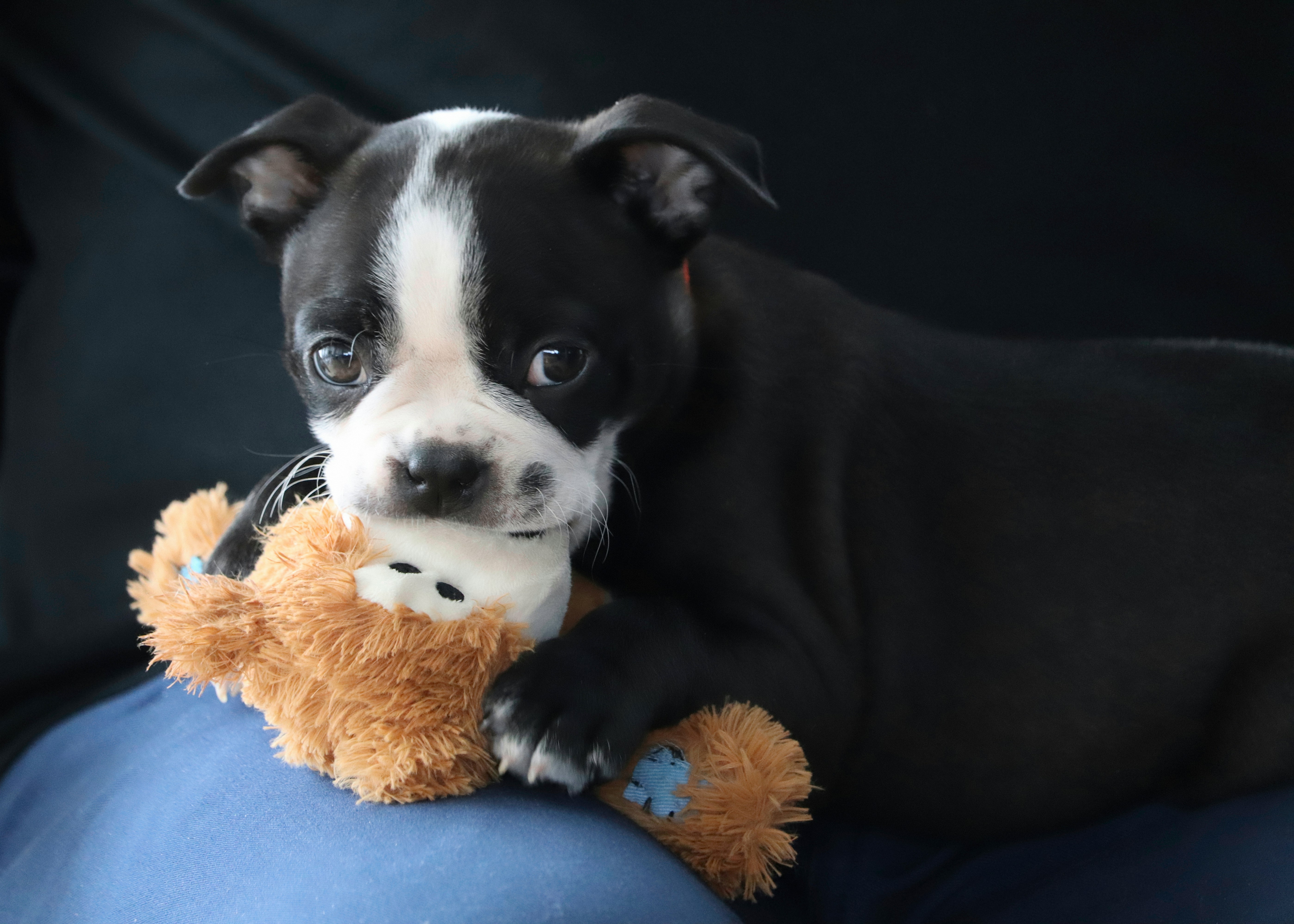
Plush toys mimic the feeling of cuddling another animal. Some even come with heartbeat simulators or self-heating inserts to calm pets who suffer from separation anxiety.
Popular Keywords: “comfort toy for cats,” “calming plush dog toy,” “self-warming pet toy.”
Case Example:
When a rescued beagle named Milo arrived at his new home, he barked and trembled at night. His owner gave him a heartbeat plush toy, and within a week, Milo began sleeping peacefully beside it.
4.2 Chew and Tug Toys (Stress Release)
Best for: Dogs that chew to self-soothe.
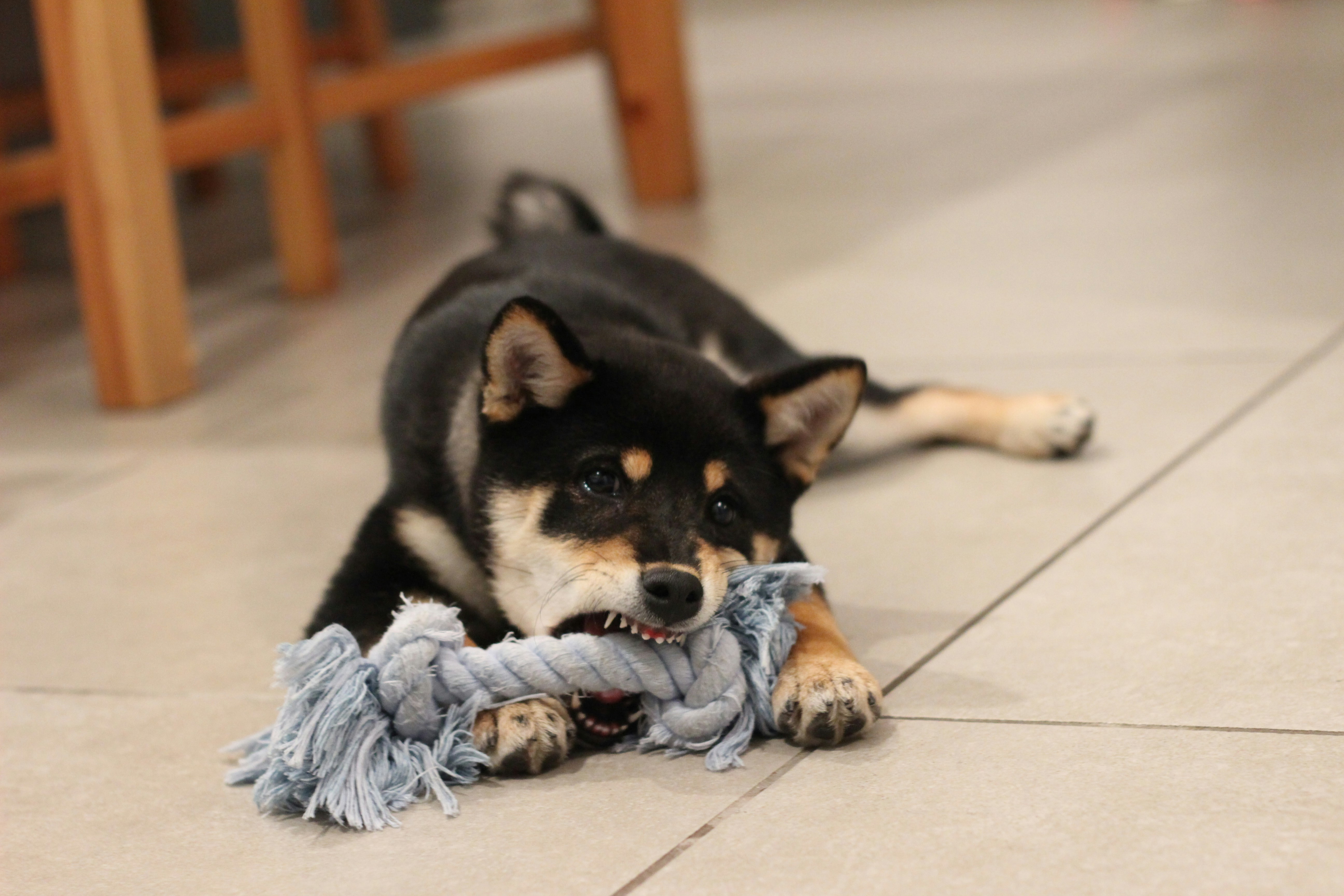
Rope toys and durable chew bones allow anxious dogs to vent energy in a healthy way. Chewing promotes endorphin release, which naturally reduces stress.
Pro Tip: Choose non-toxic, BPA-free, and durable materials to ensure safety during intense chewing sessions.
4.3 Puzzle Toys and Treat Dispensers (Mental Enrichment)
Best for: Overactive or highly intelligent dogs and cats.
Interactive puzzle toys encourage problem-solving, diverting attention from stress triggers. A treat-dispensing toy rewards calm behavior and builds focus.
Case Example:
A rescue cat named Luna used to hide under the bed all day. Her owner introduced a treat maze puzzle, and over time, Luna became more confident, emerging for play and food challenges.
4.4 Catnip and Scent-Based Toys (Relaxation Aid)
Best for: Cats with nervous or territorial tendencies.
Catnip-infused toys or toys scented with valerian root promote natural calmness. Rolling, rubbing, and chasing these toys allows cats to release tension through play.
4.5 Smart and Interactive Pet Toys (Companion Play)
Best for: Pets left alone for long hours.
Automatic motion toys, treat robots, or laser chasers keep pets entertained even when owners are away, reducing separation anxiety and boredom.
5. Combining Toys with Behavior Training
Pet toys are a tool, not a cure-all. To truly reduce anxiety, combine toys with positive reinforcement and a stable environment.
5.1 Establish a Safe Space
Designate a quiet corner with your pet’s favorite toy, bed, and water bowl. Over time, this becomes a comfort zone — a place they associate with peace.
5.2 Use Toys to Reinforce Calm Behavior
Reward calmness or bravery with playtime. For example, if your dog stays quiet during fireworks, reward them with their favorite chew toy.
5.3 Gradual Exposure and Desensitization
Pair toys with gentle exposure to triggers (like new visitors or sounds) to build confidence. The toy becomes a comfort anchor in stressful moments.
6. Real-Life Case Study: From Fear to Fun
When Bella, a 3-year-old rescue cat, was adopted, she refused to leave her crate for days. Her new owner introduced a small feather teaser toy, waving it gently near her hiding spot. Curiosity soon replaced fear.
Within weeks, Bella began playing daily, chasing and catching the feather — a sign of regained confidence. Her anxiety symptoms decreased dramatically, demonstrating the support that interactive cat toys can provide for emotional recovery.
7. Safety Tips for Using Toys with Anxious Pets
Always supervise play sessions with new toys.
Avoid toys with small detachable parts or unsafe materials.
Keep multiple toy types to prevent boredom.
Wash toys regularly to remove saliva and bacteria.
Replace damaged toys immediately.
8. When to Seek Professional Help
While toys are a great way to ease anxiety, some rescue animals may need additional care.
If your pet shows signs of severe distress — trembling, refusing food, or aggression — consult a veterinarian or animal behaviorist.
Toys are supportive, but emotional healing sometimes requires a holistic approach combining play, therapy, and medical advice.
9. Conclusion: Play as the Bridge to Healing
Helping a rescue pet overcome anxiety is a journey — one built on trust, consistency, and compassion.
Through play, your dog or cat learns that life can be joyful again. Whether it’s a calming plush toy, a puzzle feeder, or a simple rope tug, every positive play session helps replace fear with love.
So, the next time your rescue pet curls up beside their favorite toy, remember: you’re not just helping them play — you’re helping them heal.
Address: 123djflakwneflksndfwefMobile phone: +86-123 3456 7890Telephone: 123 3456 7890Email: info@formaterra.comTailneed have over 10 years of experience in the production of pet food. Our long-standing experience and the unique production chain, covering every process, allows us offering only the premium quality products, specially balanced for your beloved four-legged pets.
Copyright © 2026 Tailneed Ltd. All Rights Reserved. POWERED BY WEIMOBTRADE


