
There’s a moment every cat parent knows too well — that quiet walk to the litter box, hoping it smells fine… but your nose says otherwise.
Cat litter maintenance may not be glamorous, but it’s one of the most important parts of responsible cat ownership. Still, one question echoes across every cat household:
“How often should I change cat litter?”
The answer isn’t as simple as “once a week.” It depends on your cat’s habits, the type of litter you use, how many cats share the box, and even the season. Let’s dig into the science, the expert advice, and the small routines that make a huge difference in keeping your home fresh — and your feline happy.
1. Why Regular Litter Changing Matters More Than You Think
Your cat’s litter box is more than a toilet — it’s a territorial comfort zone. A clean box tells your cat, “This is your safe place.”
An unclean one says, “Find somewhere else.”
Neglecting to change the litter often enough can lead to:
Litter box avoidance — cats may eliminate outside the box
Ammonia buildup — irritating for both cats and humans
Bacterial growth — especially in warm, humid environments
Lingering odors — that no air freshener can truly mask
Most importantly, dirty litter can cause urinary tract infections or paw irritation in sensitive cats. Regular cleaning isn’t just hygiene; it’s preventive healthcare.
2. Factors That Determine How Often You Should Change Cat Litter
There’s no universal number because every cat — and every household — is unique.
Let’s break down the key factors:
1. Type of Cat Litter
Clumping litter: Scoop daily, replace fully every 2–3 weeks.
Non-clumping litter: Replace entirely every 5–7 days.
Silica gel (crystal) litter: Replace every 3–4 weeks, stir daily to distribute unused crystals.
Natural or biodegradable litter (corn, tofu, wood): Change weekly, as they absorb moisture faster.
2. Number of Cats
The golden rule: one litter box per cat, plus one extra.
If two cats share one box, double your cleaning frequency.
Odor and bacterial load increase exponentially, not linearly.
3. Litter Box Size & Depth
Shallow boxes with minimal litter saturate faster.
Maintaining at least 3 inches of litter depth improves absorption and clumping — meaning less frequent full changes.
4. Room Temperature & Humidity
Warm rooms accelerate bacterial growth. In summer, change litter more frequently; in winter, you may extend intervals slightly.
3. The Ideal Cleaning Schedule — A Routine That Works
A clean litter box doesn’t just happen; it’s the result of a simple daily rhythm.
Here’s a realistic routine that works for most cat households:
🕐 Daily Tasks
Scoop out clumps and solid waste once or twice a day.
Stir remaining litter to redistribute fresh granules.
Check for damp spots that indicate early saturation.
Wipe box edges with a tissue or pet-safe wipe.
📅 Weekly Tasks
Add a thin layer of fresh litter to maintain depth.
Inspect for any residue buildup or stuck clumps on the bottom.
Sprinkle a bit of baking soda under the new litter for natural odor control.
🧼 Every 2–4 Weeks (Full Change)
Empty the entire box.
Wash with mild unscented soap and warm water.
Dry thoroughly before refilling — damp boxes can cause litter to stick or smell faster.
Refill with 3–4 inches of clean, dry litter.
4. Signs It’s Time to Change Cat Litter (Even Before the Schedule)
Sometimes, your cat tells you — subtly or not — that it’s time to refresh.
Watch for these early warning signs:
Persistent odor, even after scooping.
Litter clumps break apart easily — the material has reached saturation.
Wet patches that stick to the bottom or walls.
Your cat scratches longer than usual or hesitates before entering.
You see fine dust rising every time you scoop.
If any of these appear, it’s time for a complete change — no matter what the calendar says.
5. How to Deep Clean a Cat Litter Box Like a Pro
You don’t need harsh chemicals or fancy gadgets. What matters is consistency and mildness — strong scents can repel cats.
Step 1: Empty the entire litter box outdoors or in a lined trash bin.
Step 2: Use warm water and mild dish soap; avoid bleach or ammonia cleaners.
Step 3: Scrub corners and seams gently with a brush or sponge.
Step 4: Rinse thoroughly and let it air-dry under sunlight if possible — sunlight naturally disinfects.
Step 5: Before adding fresh litter, sprinkle a thin base layer of baking soda or activated charcoal granules to absorb future odor.
6. Expert Tips for Keeping Cat Litter Fresher, Longer
Veterinary behaviorists and experienced cat owners agree: the goal isn’t just cleanliness — it’s odor management and cat comfort.
Here’s what the pros recommend:
Use high-quality clumping litter with odor-control ingredients like bentonite clay or activated carbon.
Stick to unscented litter. Fragrances mask smells but may discourage cats from using the box.
Keep boxes in ventilated areas, not closed closets or bathrooms.
Avoid mixing old and new litter — it confuses scent-sensitive cats.
Consider automatic litter boxes for multi-cat households. They self-scoop, reducing daily maintenance.
Rotate litter boxes every few months — even plastic absorbs odor over time.
7. The Psychology of a Clean Litter Box
A fascinating thing happens when you maintain a predictable cleaning rhythm:
Your cat relaxes.
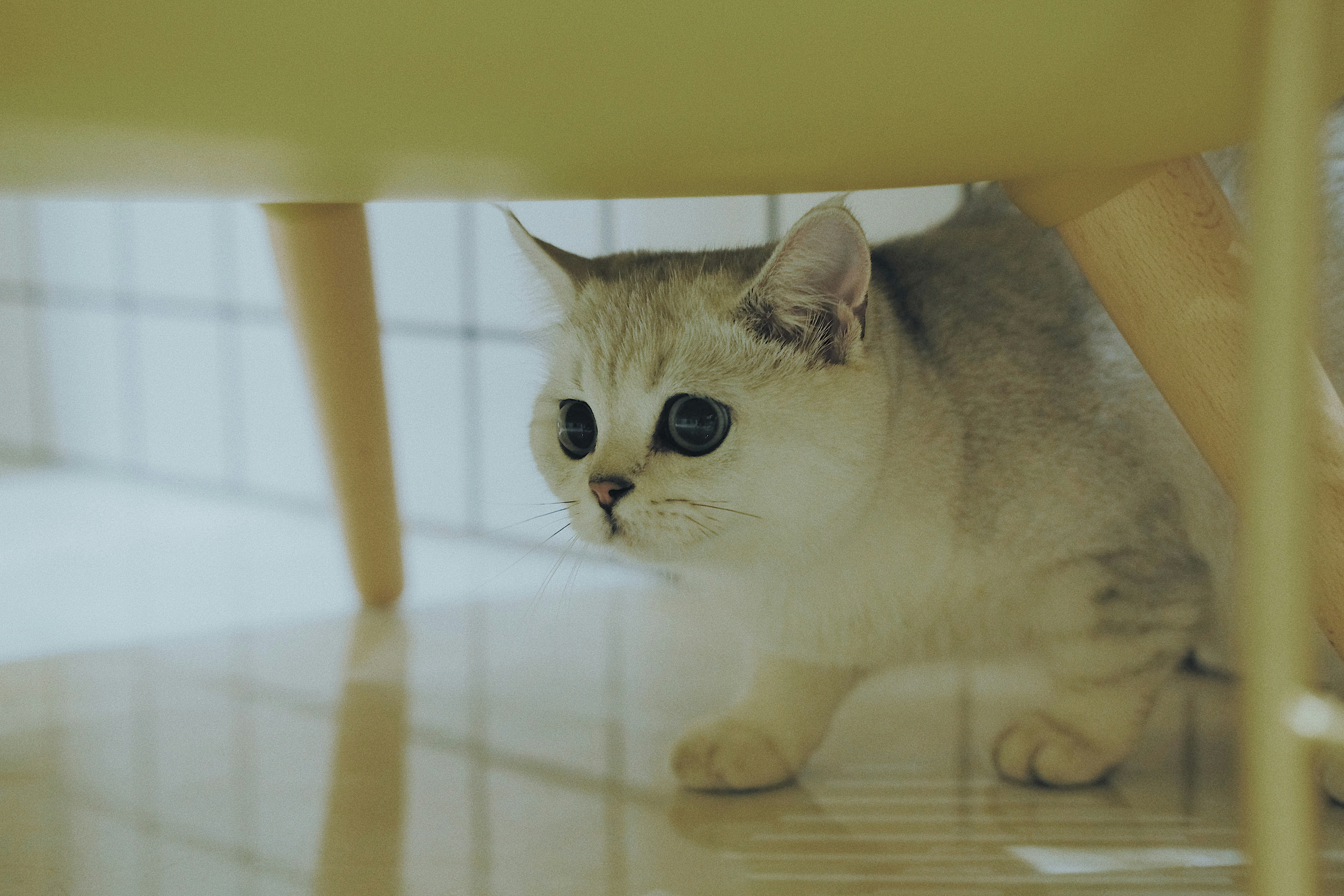
Cats are territorial, scent-driven creatures. A clean litter box signals safety and stability. In contrast, an unclean one feels “claimed” by waste odor — leading to territorial anxiety and inappropriate elimination.
In multi-cat homes, this becomes even more important. Studies show that cats are more likely to coexist peacefully when each has access to a consistently clean litter space.
So, cleaning isn’t just for your comfort — it’s feline diplomacy.
8. Common Mistakes Cat Owners Make (And How to Avoid Them)
Mistake 1: Waiting until it smells bad.
By then, bacteria are already thriving. Change before odor appears.
Mistake 2: Using strong-scented disinfectants.
Cats’ noses are 14 times stronger than ours — if you can smell citrus, it’s overwhelming to them.
Mistake 3: Overfilling the box.
Too much litter leads to waste and messy tracking. Aim for 3–4 inches only.
Mistake 4: Ignoring the litter mat.
A textured mat outside the box traps granules before they scatter across the floor.
Mistake 5: Not washing the box often enough.
Even if you replace litter regularly, the plastic itself absorbs odors. Deep clean every few weeks.
9. Seasonal Litter Box Care: Why Timing Changes Everything
Your cleaning routine should flex with the seasons.
Summer: Higher humidity and warmth mean faster odor buildup — scoop twice daily and change litter more often.
Winter: Dryer air helps litter last longer, but indoor heating may amplify ammonia odor.
Spring & Fall: The shedding season — more hair in the litter box may affect clumping and cleanliness.
Bonus tip: if your cat tracks more litter during humid months, try low-dust, low-tracking clumping litter — it stays fresher and cleaner longer.
10. Real Stories from Cat Owners Who Found Their Perfect Routine
Case 1: Maria, NYC (2 cats, small apartment)
She used to replace litter weekly, but still smelled odor daily. After switching to a baking soda-infused clumping litter and scooping twice daily, she extended full replacements to every 3 weeks.
Result: fresher air, calmer cats, and less waste.
Case 2: Liam, Austin (1 cat, long-haired breed)
He learned the hard way that his cat’s fur trapped odors near the litter box. Switching to low-dust natural litter and cleaning every 5 days solved both grooming and odor issues.
Case 3: Sofia, Toronto (4 cats, mixed litter boxes)
Her secret? Rotation. She keeps 4 boxes, each on a staggered cleaning schedule — one box cleaned daily, one replaced every week, one deep-cleaned every 2 weeks. Her house stays odor-free without burnout.
11. When to Replace the Litter Box Entirely
Even the sturdiest plastic boxes wear out.
Replace your cat litter box every 6–12 months, or sooner if:
You see deep scratches or stains that trap odor.
The surface feels sticky even after washing.
Your cat suddenly avoids it.
Investing in a new box is inexpensive compared to the peace (and cleanliness) it brings.
12. Final Thoughts: A Clean Box, A Happy Cat, A Peaceful Home
So — how often should you change cat litter?
For most cat owners:
Scoop daily
Top up weekly
Replace completely every 2–3 weeks.
But ultimately, let your cat’s behavior and your nose guide you.
Clean litter isn’t just about hygiene — it’s about communication. It tells your cat, “This is your space, and it’s safe.”
And when your cat feels safe, your home feels calmer, fresher, and infinitely more livable.
Address: 123djflakwneflksndfwefMobile phone: +86-123 3456 7890Telephone: 123 3456 7890Email: info@formaterra.comTailneed have over 10 years of experience in the production of pet food. Our long-standing experience and the unique production chain, covering every process, allows us offering only the premium quality products, specially balanced for your beloved four-legged pets.
Copyright © 2026 Tailneed Ltd. All Rights Reserved. POWERED BY WEIMOBTRADE


