
1. Introduction: The Ongoing Debate Between Harness and Collar
Every dog owner faces this question:
Should I walk my dog with a harness or a collar?
Some say collars are simple and classic, while others insist harnesses are safer and more humane.
The truth is, both tools have their place.
The key is knowing which one suits your dog’s breed, personality, and behavior.
In this article, we’ll explore the pros, cons, and best use cases for each, so you can confidently choose the right walking gear for your furry friend.
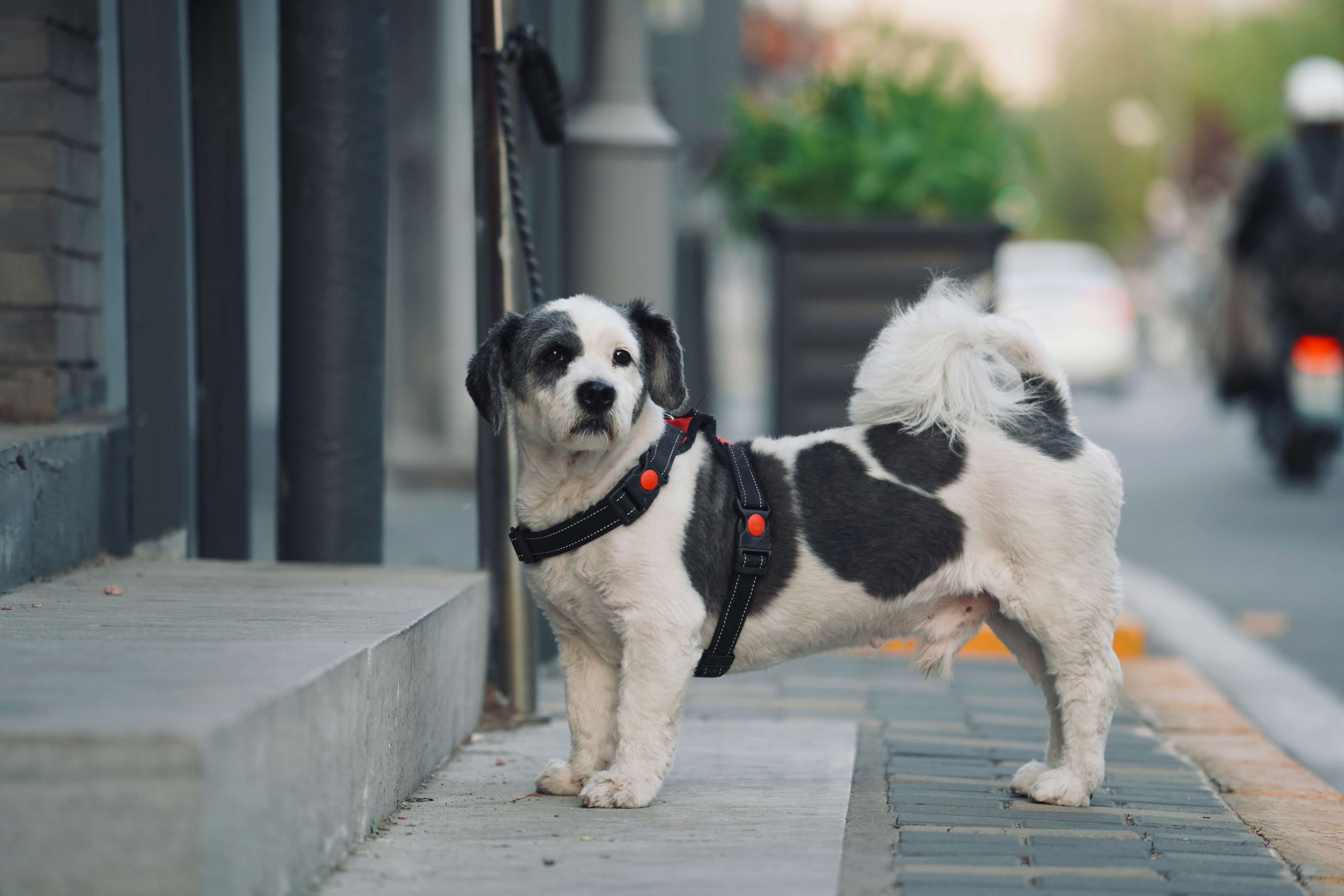
2. The Key Differences Between a Dog Harness and Collar
Dog Collar: The Traditional Choice
A collar is a strap that fits around your dog’s neck — perfect for holding ID tags or quick outdoor trips.
Pros:
Easy to put on and remove
Ideal for calm, well-trained dogs
Affordable and widely available
Great for attaching identification tags
Cons:
Can cause neck strain, choking, or tracheal injury when dogs pull
Not recommended for puppies or small breeds
Offers less control during walks
Dog Harness: The Modern Solution
A harness distributes pressure across your dog’s chest and shoulders instead of the neck.
Pros:
Prevents choking and neck injuries
Offers more control for training and walking
Great for small dogs, pullers, or reactive breeds
Reduces risk of escape
Cons:
Takes longer to put on
It can be uncomfortable if improperly fitted.
Some designs encourage pulling if misused.
3. Safety First: How Each Option Affects Your Dog’s Health
Collars and Neck Pressure
When your dog lunges or pulls, a collar tightens around the neck, putting direct pressure on the trachea.
This can lead to:
Coughing or gagging
Neck muscle strain
Thyroid damage (in severe cases)
Small breeds (like Chihuahuas or Pomeranians) and dogs with respiratory problems (like Pugs or Bulldogs) are especially vulnerable.
Harnesses and Weight Distribution
Harnesses eliminate that pressure by spreading force evenly across the body.
That’s why most veterinarians recommend harnesses for:
Puppies in training
Dogs that pull
Brachycephalic breeds (short-nosed dogs)
Senior dogs or those recovering from injury
4. The Best Harness Types for Different Needs
There’s no one-size-fits-all harness — each type serves a unique purpose.
Front-Clip Harness
Training, pull control
D-ring on chest redirects pulling
Back-Clip Harness
Calm or small dogs
Comfortable, easy to wear
Dual-Clip Harness
Versatility
Two attachment points for control
No-Pull Harness
Strong pullers
Tightens slightly for feedback
Step-In Harness
Easy wear
Perfect for puppies and small breeds
💡 Pro Tip: Choose breathable, padded materials to avoid irritation — especially for long walks or hot climates.
5. When a Collar Is Still the Better Option
While harnesses are generally safer, collars still have important uses:
Carrying ID tags and rabies tags — vital if your dog ever gets lost
Quick outdoor potty breaks
Calm, trained dogs that walk without pulling
For dogs that walk perfectly on leash and don’t lunge, a collar can still be a comfortable choice.
Just make sure it’s:
Properly fitted (two-finger rule)
Made from soft, durable materials like padded leather or nylon
Removed during rest to avoid matting or rubbing
6. How to Choose Between a Harness and a Collar
Step 1: Assess Your Dog’s Size and Breed
Small dogs & toy breeds: Harnesses are safer and reduce pressure.
Medium to large dogs: Can use either, but harnesses offer better control.
Flat-faced breeds (Pug, French Bulldog): Avoid collars altogether.
Step 2: Evaluate Behavior
If your dog pulls, lunges, or is easily distracted, a front-clip harness is best.
For calm, obedient dogs, a collar may suffice.
Step 3: Think About Your Lifestyle
Daily walks / urban areas: Harness
Quick outings / training ID use: Collar
Running, hiking, or long walks: Harness with padded chest support
Step 4: Consider Training Goals
If you’re still leash training your dog, start with a harness.
Once good habits form, you can alternate with a collar if desired.
7. Proper Fitting Matters More Than You Think
No matter what you choose, fit determines safety.
Harness Fit Tips:
Use the two-finger rule: You should slide two fingers under any strap.
The chest strap should sit above the shoulders, not across the neck.
Adjust regularly — dogs grow, gain muscle, and change weight.
Collar Fit Tips:
Fit high on the neck, not near the shoulders.
Avoid tightness or dangling ends.
Replace worn-out collars that lose tension or elasticity.
Poor fitting can cause as much harm as using the wrong tool — from skin irritation to escape accidents.
8. Common Mistakes Dog Owners Make
Using a collar for pullers
Risk of choking, injury
Switch to front-clip harness
Harness too tight or loose
Causes rubbing or escape
Adjust straps properly
Retractable leash + collar
No control, high injury risk
Use short leash with harness
Leaving gear on 24/7
Skin irritation, discomfort
Remove during rest
Ignoring breed needs
Not all dogs are the same
Choose gear by breed behavior
9. Real-Life Case Study: From Chaos to Calm
Meet “Bella”, a 2-year-old Beagle who loved to pull.
Her owner used a standard collar, which led to daily coughing and frustrating walks.
After switching to a front-clip no-pull harness, Bella’s behavior transformed within two weeks:
Pulling was reduced by 80%
No more gagging or neck strain
Happier, calmer walks
Her owner’s feedback?
“It’s like walking a different dog — the harness made all the difference.”
This story is common — most pulling behavior isn’t disobedience; it’s a result of using the wrong gear.
10. Expert Recommendations: The Ideal Combination
Many professional trainers and vets recommend using both a harness and a collar:
The collar holds ID tags.
The harness provides safe walking control.
A dual-clip leash can connect to both for extra security.
This setup ensures safety, training effectiveness, and peace of mind — especially for escape-prone or reactive dogs.
11. Maintenance and Care Tips
Proper gear lasts longer and stays safe when maintained:
Clean regularly – dirt causes friction and odor.
Inspect buckles and rings – replace at signs of wear.
Air dry after washing to prevent mildew
Store in a cool place away from sun damage
A clean, well-kept harness or collar keeps your dog happy and healthy.
12. Final Verdict: Harness vs Collar — What’s Right for Your Dog?
If your dog pulls, coughs, or shows discomfort with a collar, switch to a front-clip or no-pull harness.
If your dog is calm, trained, and walks gently, a well-fitted collar is still fine for quick trips.
In most cases, however, a harness provides superior safety, comfort, and control, especially for puppies, small breeds, or training scenarios.
Remember: the best walking experience isn’t just about the gear — it’s about communication, trust, and your dog’s comfort.
Address: 123djflakwneflksndfwefMobile phone: +86-123 3456 7890Telephone: 123 3456 7890Email: info@formaterra.comTailneed have over 10 years of experience in the production of pet food. Our long-standing experience and the unique production chain, covering every process, allows us offering only the premium quality products, specially balanced for your beloved four-legged pets.
Copyright © 2026 Tailneed Ltd. All Rights Reserved. POWERED BY WEIMOBTRADE


