
1. Introduction: The Challenge of Walking an Untrained Puppy
Every new pet parent dreams of peaceful walks with their adorable puppy — tail wagging, no pulling, and perfect obedience.
In reality? Puppies zigzag, lunge, choke, and chew on the leash.
The good news: your choice of walking gear can make or break your puppy’s training experience.
Most experts now agree that a front-clip harness paired with a short leash is far more effective, comfortable, and humane than using a traditional collar — especially during the crucial early training months.
This guide explains why harnesses outperform collars, how to choose the right one, and practical leash training tips to raise a confident, well-behaved dog.
2. Harness vs Collar for Puppies: What’s the Difference?
Before diving into training, let’s understand how each option works.
2.1 Traditional Collar
A collar sits around your puppy’s neck and is commonly used to attach ID tags and leashes.
However, for training or walking, collars can cause problems:
They put pressure on the trachea, especially when the puppy pulls.
They can cause coughing, neck pain, or even soft tissue injury.
Puppies are more likely to resist or fear leash walking when uncomfortable.
2.2 Harness
A harness wraps around your puppy’s chest and shoulders instead of the neck.
The result: even pressure distribution and no choking.
Front-clip harnesses, in particular, redirect your puppy’s movement back toward you when they pull — encouraging gentle walking behavior.
2.3 Key Takeaway
Use a collar for identification, but rely on a harness for training and daily walks.
It’s safer, more effective, and sets a foundation for positive habits.
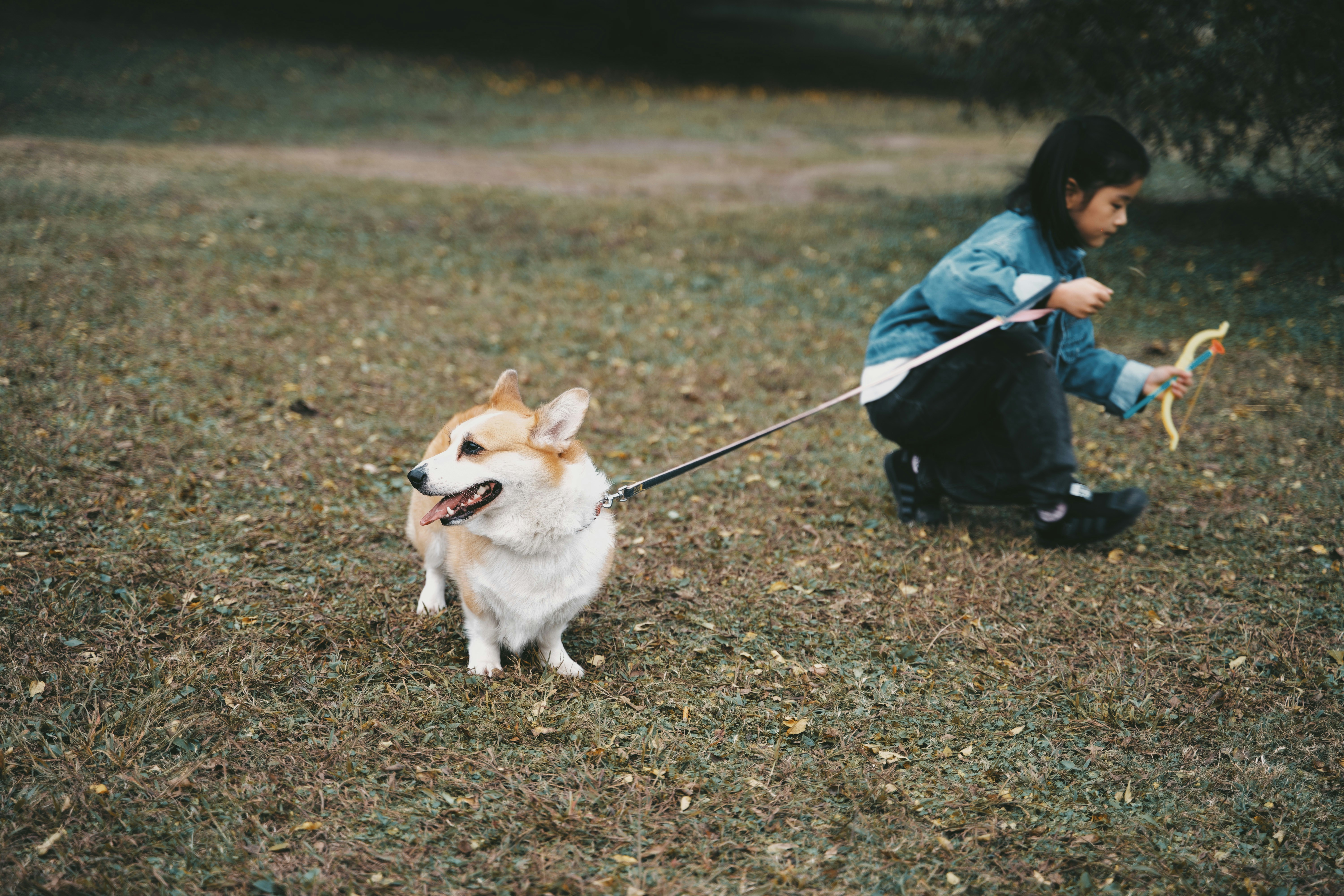
3. Why a Front-Clip Harness Works Better for Training
Not all harnesses are equal. The front-clip harness (with a D-ring on the chest) gives you superior control and communication.
3.1 Prevents Pulling Naturally
When your puppy pulls, the front clip gently redirects their chest toward you — teaching them that pulling doesn’t get them where they want to go.
This helps them self-correct without discomfort or punishment.
3.2 Builds Positive Leash Associations
Puppies quickly learn that walks mean exploration and fun — not pain or tension.
A well-fitted harness promotes confidence and trust between you and your pet.
3.3 Reduces Risk of Injury
Small breeds and young puppies are particularly vulnerable to tracheal collapse or neck strain.
Harnesses eliminate those risks completely.
3.4 Supports Behavior Training
By keeping the focus point near the chest, front-clip harnesses improve communication and make commands like “heel,” “sit,” and “stay” easier to reinforce.
4. Why You Should Pair It with a Short Leash
A harness alone isn’t enough — the leash length also matters.
4.1 Better Control
A short leash (4–6 feet) keeps your puppy close, helping you manage sudden lunges or distractions.
4.2 Faster Reaction Time
You can guide or redirect behavior instantly, rather than chasing your puppy around on a long line.
4.3 Reinforces Focus
A shorter distance encourages your dog to pay attention to you, not just the environment.
4.4 Great for Early Socialization
During the first few months, close supervision ensures safety while your puppy meets new people, dogs, and experiences.
💡 Pro Tip: Avoid retractable leashes for puppies. They teach pulling and offer little control, which can delay training progress.
5. How to Fit a Puppy Harness Correctly
Even the best harness won’t work if it doesn’t fit right.
Step 1: Measure Accurately
Use a soft measuring tape and record:
Chest girth (around the widest part of the rib cage)
Neck girth (where a collar would sit)
Step 2: Follow the “Two-Finger Rule”
Once the harness is on, make sure you can slide two fingers comfortably between the straps and your puppy’s body.
This ensures snugness without restricting movement.
Step 3: Check for Chafing
If your puppy’s armpits or chest show red marks or missing fur, the harness is too tight or is rubbing.
Choose padded or breathable mesh designs for sensitive skin.
6. Step-by-Step: How to Train Your Puppy with a Harness and Short Leash
Step 1: Let Your Puppy Get Used to the Gear
Before walking, let your puppy sniff and wear the harness indoors for short periods.
Reward calm behavior with treats and praise.
Step 2: Introduce Leash Pressure
Attach the leash and hold it loosely. When your puppy moves away and feels gentle pressure, stop moving until they come back toward you — then reward immediately.
This teaches that loose leash = forward movement and pulling = no progress.
Step 3: Start Indoors or in the Yard
Practice in a quiet, distraction-free environment.
Short sessions (5–10 minutes) prevent frustration.
Step 4: Teach “Heel” or “Let’s Go”
Use treats to guide your puppy to walk beside you.
Reward every few steps when they stay by your side.
Step 5: Gradually Add Distractions
Once your puppy walks nicely at home, practice outside with mild distractions — new smells, people, or dogs.
Step 6: Stay Consistent
Every walk is a training session.
Use consistent cues and avoid yanking on the leash, which can cause fear or confusion.
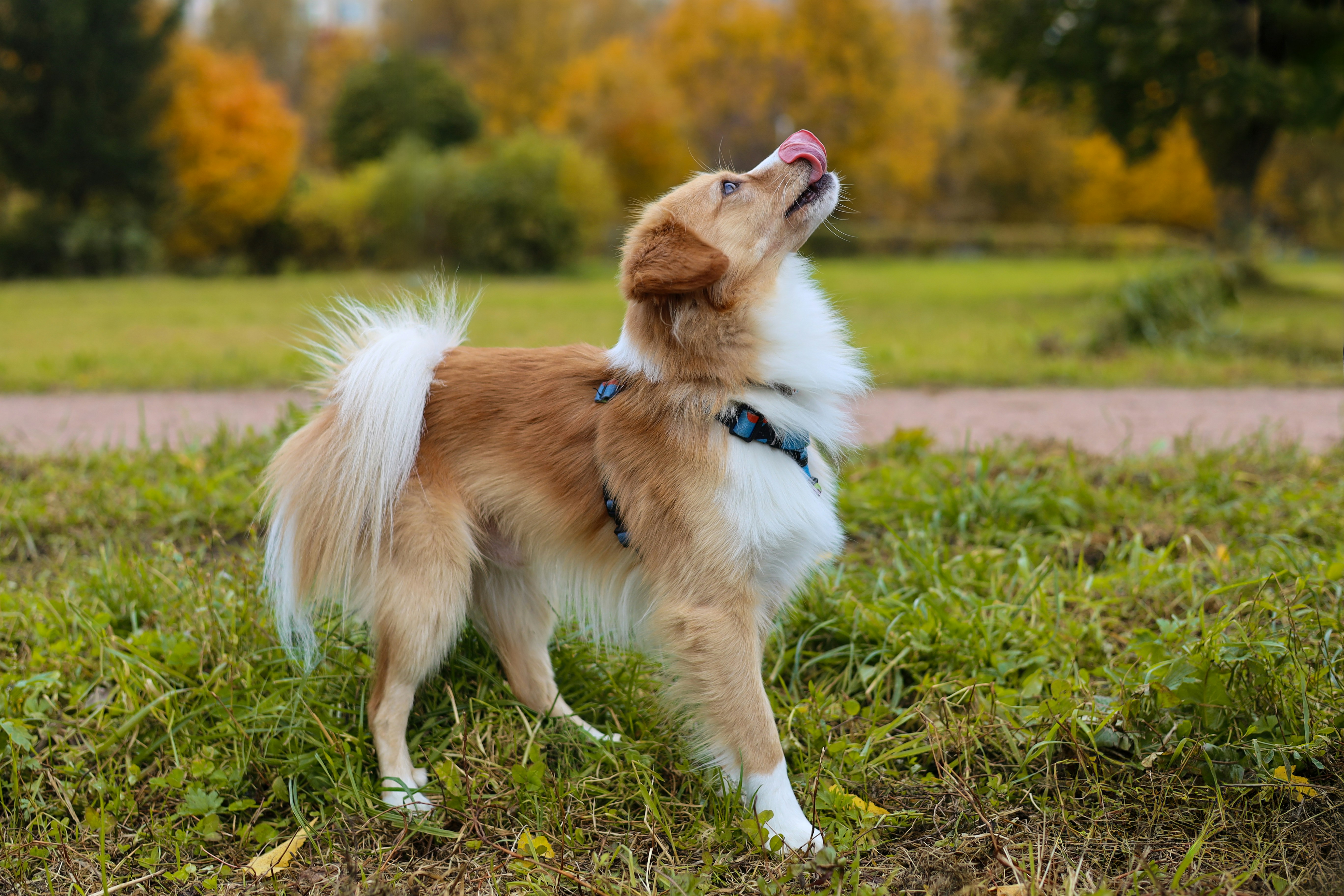
7. Real-Life Case Study: Max the Pulling Puppy
“Max,” a 5-month-old Golden Retriever, constantly pulled on walks, making every outing stressful.
His owner originally used a standard collar, but Max would cough and resist.
After switching to a front-clip harness and a 5-foot padded leash and using short, reward-based sessions, Max learned to walk calmly within three weeks.
The owner noticed immediate improvements:
No more coughing or pulling
Increased focus and engagement
Happier, more relaxed walks
This simple gear change transformed both the dog’s comfort and the owner’s control — proving that tools + technique = success.
8. Choosing the Best Harness & Leash for Your Puppy
When shopping for your puppy’s first gear, prioritize these factors:
✅ Comfort:
Soft padding and breathable materials reduce irritation.
✅ Adjustability:
Puppies grow fast — adjustable straps extend product life.
✅ Front Clip Option:
For pull control and training responsiveness.
✅ Lightweight Design:
Avoid bulky or heavy harnesses for small breeds.
✅ Quality Leash:
Choose a short, non-slip, padded handle leash for maximum comfort.
🛒 Pro Tip: Consider matching harness + leash sets to ensure compatibility and style consistency — a plus for branding on your independent pet site.
9. Maintenance and Care Tips
Wash the harness weekly to prevent odor and bacteria buildup.
Inspect straps and buckles for fraying or damage.
Store dry to prevent mildew.
Replace when straps loosen or padding wears thin.
Proper care keeps the gear safe and extends its lifespan — meaning better ROI for both pet owners and your brand.
10. Conclusion: Set the Right Foundation for a Lifetime of Good Habits
Puppyhood is the perfect time to teach leash manners and build a strong bond.
By choosing a front-clip harness and short leash, you prevent bad habits before they start — ensuring safety, control, and happy walks for years to come.
Skip the choke collars and frustration — your puppy deserves comfort, confidence, and positive training from day one.
Address: 123djflakwneflksndfwefMobile phone: +86-123 3456 7890Telephone: 123 3456 7890Email: info@formaterra.comTailneed have over 10 years of experience in the production of pet food. Our long-standing experience and the unique production chain, covering every process, allows us offering only the premium quality products, specially balanced for your beloved four-legged pets.
Copyright © 2026 Tailneed Ltd. All Rights Reserved. POWERED BY WEIMOBTRADE


