
1. Introduction: The Hidden Dangers of Ill-Fitted Dog Gear
Many dog owners assume that as long as a leash or harness “stays on,” it’s fine.
But improper fitting is one of the most overlooked causes of injury and behavior problems in dogs.
A harness that’s too tight can restrict breathing or rub the skin raw.
A collar that’s too loose may slip off at the worst possible time.
An unbalanced leash setup can create tension, frustration, and even aggression during walks.
Learning how to properly fit a dog harness, collar, and leash isn’t just about comfort — it’s about safety, control, and trust between you and your pet.
2. Why Proper Fitting Matters
Before diving into the how-to, let’s understand why correct sizing is so important for your dog’s well-being.
2.1 Prevent Choking and Neck Strain
Traditional collars place pressure on the trachea when your dog pulls.
Improper tension can lead to coughing, neck pain, and even airway injury — especially in small breeds or dogs with respiratory issues.
A properly fitted harness distributes pressure across the chest and shoulders, keeping your pet safe and comfortable.
2.2 Improve Walking Behavior
When a harness or collar fits well, your dog feels less frustrated.
This encourages loose-leash walking, reduces pulling, and enhances your control during training.
2.3 Avoid Escapes and Slipping
Dogs that wiggle out of their gear are at serious risk near roads or in crowded areas.
Correct fitting eliminates those dangerous gaps that allow escape.
2.4 Enhance Confidence and Comfort
Just like people, dogs perform better when they’re comfortable.
The right fit promotes calm, secure behavior — making every walk enjoyable.
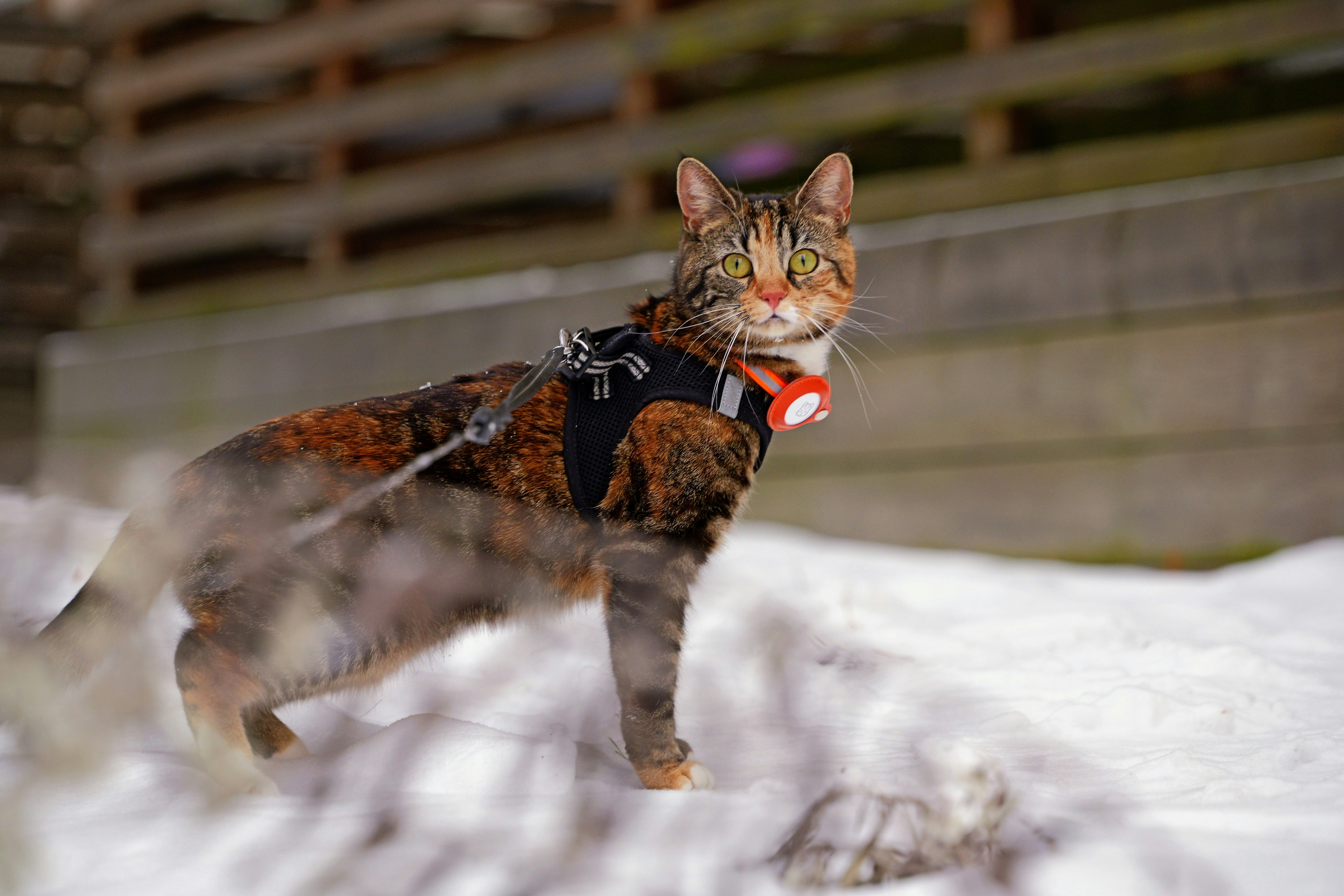
3. Understanding the Differences: Harness vs Collar vs Leash
Harness
Best for: Daily walks, strong pullers, small dogs, or those with neck issues
Benefits: Even pressure distribution, better control, and prevents choking
Types: Back-clip, front-clip, dual-clip, step-in, no-pull harness
Collar
Best for: Calm dogs, quick trips, ID tags
Benefits: Simple, lightweight, easy to put on
Caution: Not ideal for dogs that pull or lunge
Leash
Best for: Every walk — control and communication tool
Types: Standard, retractable, training, hands-free, shock-absorbing
Tip: Choose based on your dog’s energy level and your walking style
4. Step-by-Step: How to Fit a Dog Harness Properly
The right fit can vary depending on brand and body shape, but these universal steps will help ensure safety and comfort.
Step 1: Measure Your Dog Correctly
You’ll need a soft measuring tape and a calm dog.
Take three key measurements:
Neck girth – where the collar would sit naturally.
Chest girth – the widest part of your dog’s rib cage, just behind the front legs.
Length – from the base of the neck to the base of the tail.
Compare these with the manufacturer’s dog harness size chart before purchasing.
Step 2: Adjust for a Snug Fit
Once the harness is on, use the “two-finger rule” — you should be able to slide two fingers comfortably between the harness and your dog’s body.
Signs it’s too tight:
For indentation or redness
Difficulty breathing or panting
Reluctance to move
Signs it’s too loose:
Harness slides side-to-side
A dog can wiggle or back out easily.
Step 3: Position the Harness Correctly
The chest strap should rest above the shoulders, not across the neck.
The belly strap should sit behind the front legs, not against them.
For front-clip harnesses, ensure the D-ring is centered on the chest.
Step 4: Test Movement
Let your dog walk, sit, and lie down while wearing the harness.
Check for rubbing at the armpits or shifting while walking.
5. How to Fit a Dog Collar Properly
A properly fitted collar is essential even if your dog primarily wears a harness — it carries ID tags and serves as a backup safety measure.
Step 1: Measure the Neck
Use the same two-finger rule around the neck.
For growing puppies, leave extra room for adjustment.
Step 2: Check the Material
Choose breathable nylon, padded leather, or waterproof TPU depending on your climate.
Avoid chains or prong collars unless used under professional training supervision.
Step 3: Watch for Irritation
Red marks, missing fur, or scratching are signs that the collar is too tight or rough on the skin.
Step 4: Regular Re-check
Dogs gain or lose weight, and fur thickness changes with seasons — inspect fit monthly to avoid discomfort.
6. How to Adjust Your Leash for Comfort and Control
Choose the Right Length
4–6 ft: Everyday walks & training
8–10 ft: Relaxed walks
16+ ft (retractable): Not ideal for control or crowded areas
Handle & Grip
Soft padded handles reduce wrist strain.
Shock-absorbing bungee leashes protect both you and your dog from sudden pulls.
Leash Attachment
Attach the leash to the harness D-ring (not collar) for pullers or high-energy dogs — it reduces the risk of neck injury.
Dual-Clip System
For maximum safety, some owners use a dual-clip leash connecting both harness and collar — ideal for escape-prone dogs.
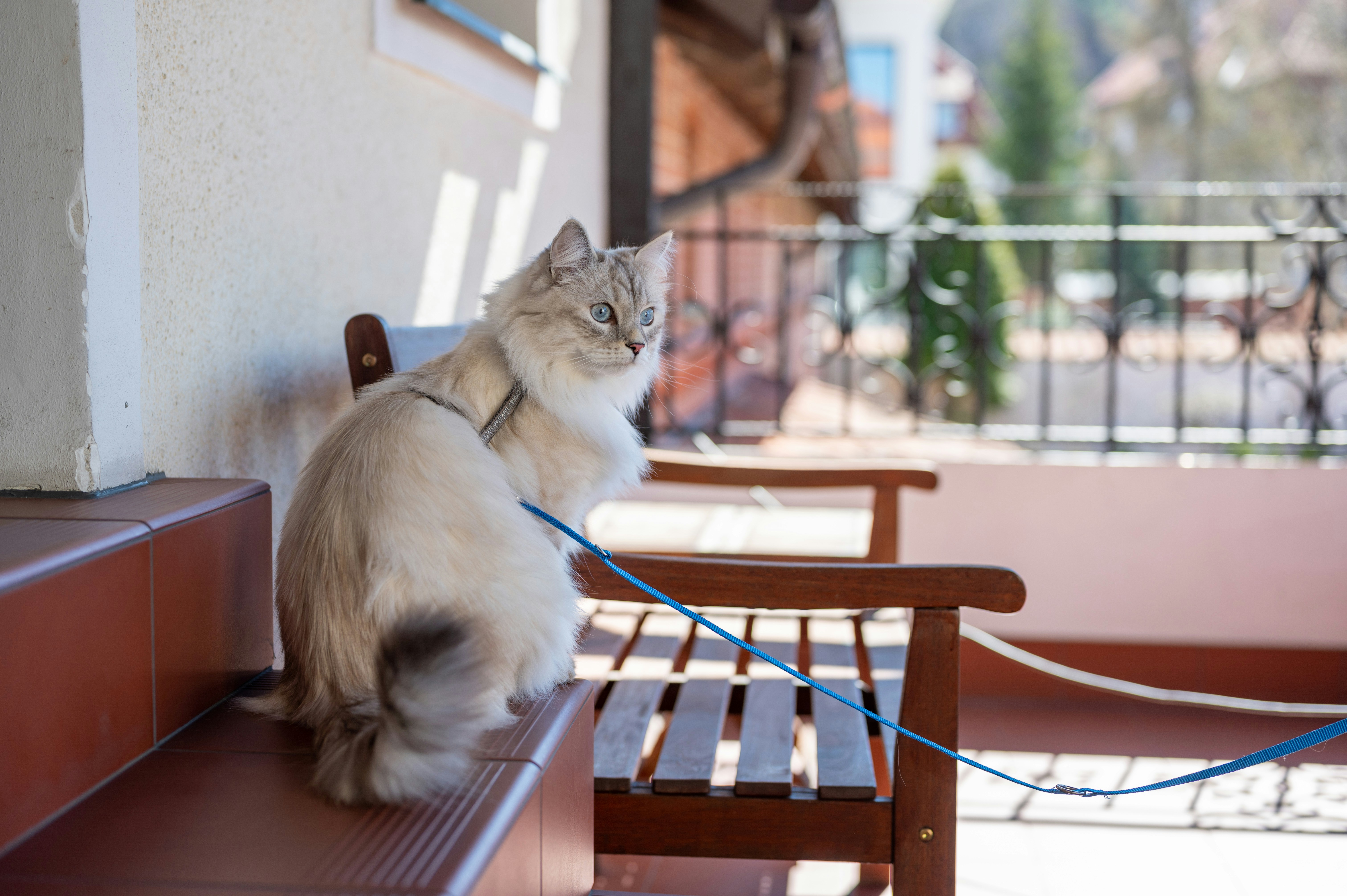 7. Case Study: How Correct Fitting Solved “Luna’s” Pulling Problem
“Luna,” a 2-year-old Husky, constantly pulled on walks. Her owner used a back-clip harness that sat too low on her shoulders.
After switching to a properly fitted front-clip harness and using a shorter training leash, Luna’s behavior changed dramatically.
She stopped pulling within two weeks, enjoyed walks, and no longer coughed or wheezed.
Proper fitting didn’t just improve comfort — it completely transformed the walking experience.
8. Expert Tips for Maintaining a Perfect Fit
Clean regularly – Dirt buildup causes friction and odor.
Inspect buckles and stitching – Weak parts can fail suddenly.
Adjust seasonally – Winter coats and weight changes affect sizing.
Choose quality materials – Breathable mesh or padded nylon prevents irritation.
Replace when worn – Frayed or stretched gear loses strength.
9. Conclusion: Comfort, Control, and Confidence on Every Walk
A properly fitted harness, leash, and collar ensure that your dog stays safe, comfortable, and under gentle control.
It prevents choking, reduces pulling, and builds trust between you and your furry friend.
Every dog is different — so measure, test, and adjust until you find the perfect fit.
Remember: the best dog walking gear isn’t the most expensive one, it’s the one that fits just right.
Address: 123djflakwneflksndfwefMobile phone: +86-123 3456 7890Telephone: 123 3456 7890Email: info@formaterra.comTailneed have over 10 years of experience in the production of pet food. Our long-standing experience and the unique production chain, covering every process, allows us offering only the premium quality products, specially balanced for your beloved four-legged pets.
Copyright © 2026 Tailneed Ltd. All Rights Reserved. POWERED BY WEIMOBTRADE


