
For many pet owners, finding the right pet dry food can be a challenge — especially when your dog or cat has a sensitive stomach. Digestive issues such as vomiting, diarrhea, or excessive gas can be signs that your pet’s current diet doesn’t suit their needs. The good news is that the right dry food formula can help restore digestive balance, improve nutrient absorption, and enhance your pet’s overall health.
In this guide, we’ll help you understand how to identify the best pet dry food for sensitive stomach dogs and cats, what ingredients to look for, and how to make the switch safely. Whether you’re a first-time pet owner or a professional pet retailer, this article will give you the insights you need to choose high-quality, digestive-friendly dry food that keeps pets happy and healthy.
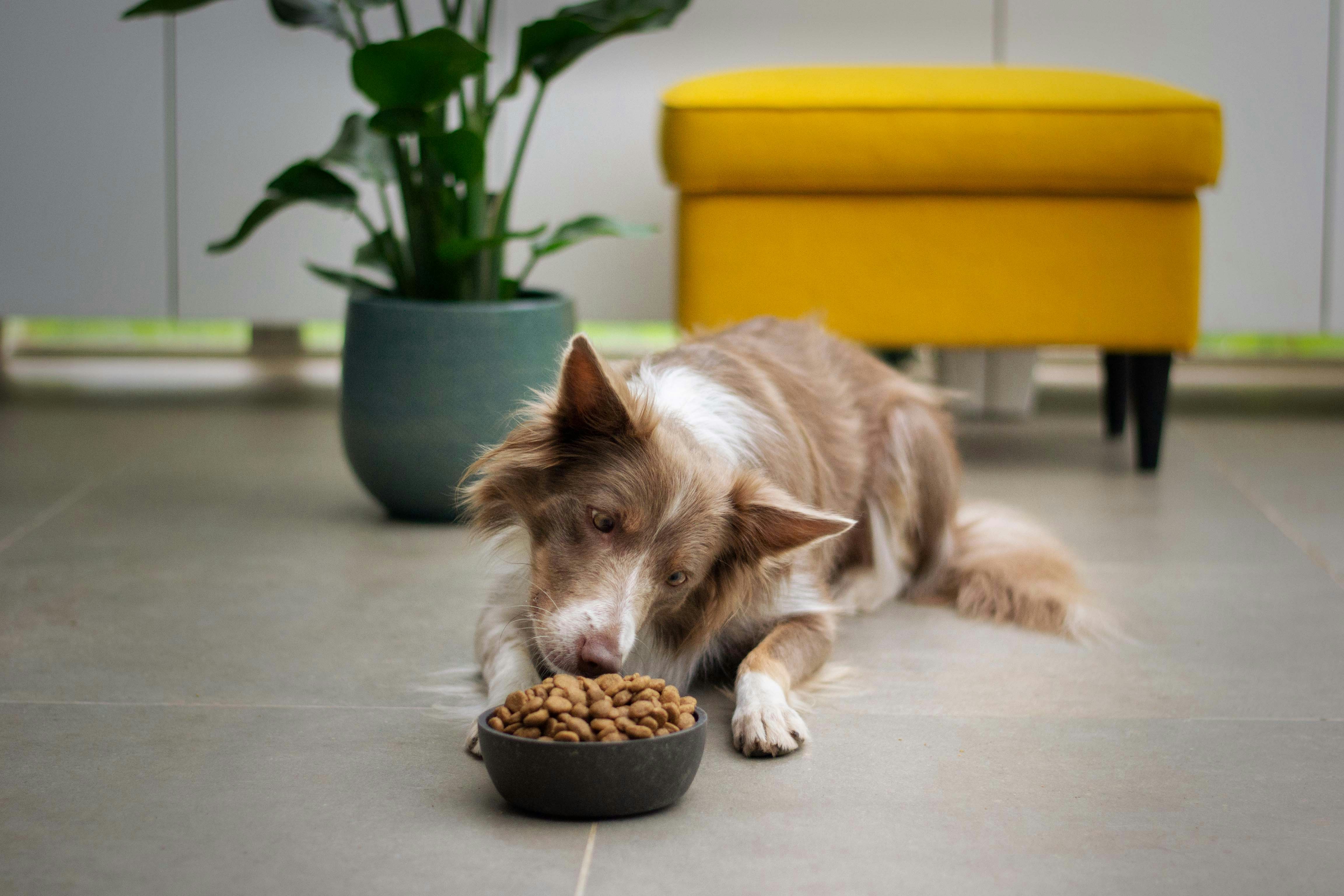
1. Understanding Sensitive Stomachs in Pets
A “sensitive stomach” isn’t a medical diagnosis but a sign that your pet’s digestive system reacts poorly to certain ingredients. Dogs and cats with sensitive stomachs may experience:
Frequent loose stools or diarrhea
Vomiting after meals
Flatulence or bloating
Loss of appetite or weight
Dull coat or skin irritation
These symptoms often result from food intolerances, low-quality fillers, artificial additives, or sudden dietary changes. Choosing the right pet dry food designed for digestive health can help prevent these reactions.
2. Why Pet Dry Food Is a Smart Choice
While wet food is often easier to digest, dry food (kibble) offers many advantages:
Longer shelf life and easier storage
Better dental health through mechanical cleaning
More affordable and convenient for bulk buying
Balanced nutrition with fortified vitamins and minerals
However, for pets with sensitive stomachs, not all dry food formulas are equal. Look for high-quality dry food brands that focus on natural ingredients, limited fillers, and digestive support nutrients.
3. Key Ingredients to Look for in Sensitive Stomach Pet Dry Food
When selecting dry food for pets with digestive issues, check the ingredient list carefully. Here are the essential elements to look for:
a. Easily Digestible Proteins
Choose foods with single-source proteins like:
Chicken
Salmon
Lamb
Turkey
Avoid multiple animal proteins, as they may increase the risk of food intolerance.
b. Prebiotics and Probiotics
These help balance gut flora and promote healthy digestion. Look for terms like:
“With live probiotics”
“Contains prebiotic fiber”
“Supports digestive health”
c. Gentle Carbohydrates
Opt for grain-free pet dry food or formulas made with:
Sweet potatoes
Brown rice
Peas or lentils
These are easier to digest than corn or wheat fillers.
d. Omega Fatty Acids
Omega-3 and Omega-6 from salmon oil or flaxseed help reduce inflammation and improve skin and coat condition — especially for pets with food allergies.
e. No Artificial Additives
Avoid any artificial colors, preservatives, or flavors. These can irritate the digestive system and cause allergic reactions.
4. Recommended Types of Dry Food for Sensitive Pets
Depending on your pet’s condition and preferences, consider one of these types of dry food formulations:
1. Grain-Free Pet Dry Food
Ideal for pets allergic to wheat or corn. Helps reduce bloating and improves energy.
2. Limited Ingredient Dry Food
Contains fewer ingredients to minimize potential allergens.
3. Hypoallergenic Dry Food
Made with novel proteins like duck or venison; recommended for pets with chronic allergies.
4. High-Protein Dry Food
Supports active pets, but ensure it’s made from lean, high-quality meat sources.
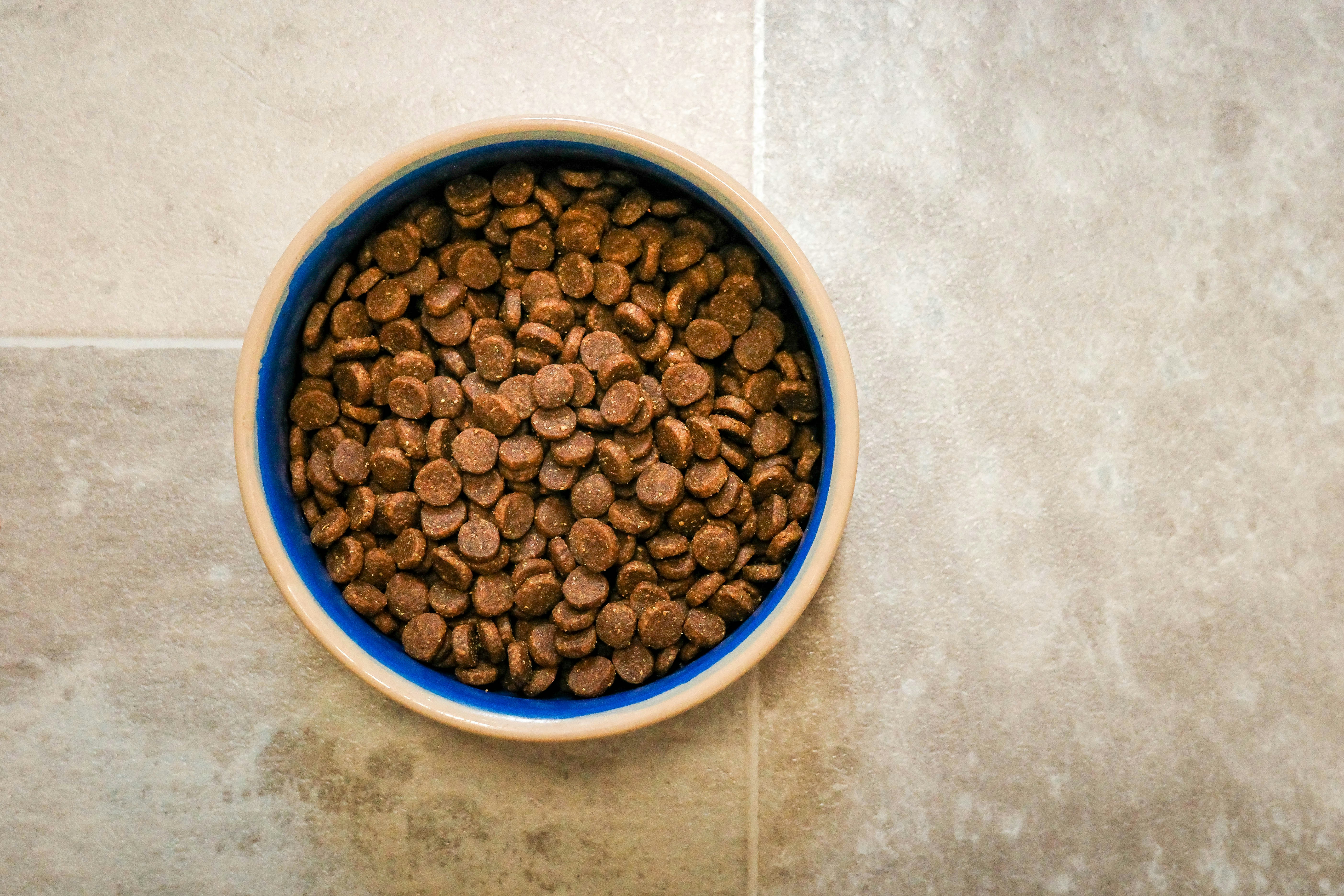
5. Vet Recommended Dry Food
Some brands are veterinarian formulated and clinically tested to support sensitive digestion.
5. Transitioning to a New Pet Dry Food
Switching diets too quickly can upset your pet’s stomach — even with the best formula. Follow these steps for a smooth transition:
Start slowly: Mix 25% new food with 75% old food for the first 2–3 days.
Gradually increase: Move to a 50/50 mix over the next few days.
Monitor digestion: Look for signs like firmer stool, less vomiting, and improved appetite.
Complete switch: After 7–10 days, fully transition to the new dry food.
Patience is key — your pet’s digestive system needs time to adapt.
6. Common Mistakes Pet Owners Make
Even well-intentioned owners can make feeding errors that trigger stomach issues:
Feeding too many treats or table scraps
Changing brands too often
Overfeeding or free-feeding
Not checking expiration dates
Ignoring hydration — always provide fresh water with dry food
Correcting these habits is just as important as choosing the right food.
7. How to Store Pet Dry Food Properly
Improper storage can lead to spoilage, mold, and loss of nutrition. Follow these storage tips:
Keep food in a cool, dry place away from sunlight.
Use airtight containers to maintain freshness.
Don’t mix old and new batches.
Use within 4–6 weeks after opening.
Proper storage ensures your pet dry food remains safe and nutritious.
8. Reading Pet Food Labels the Smart Way
A lot of marketing terms can mislead pet owners. Here’s how to decode the label:
“Natural”
Minimal processing, no artificial additives
Still check ingredient sources
“Grain-Free”
No corn, wheat, or soy
May use other fillers like peas
“Veterinarian Recommended”
Endorsed by vets or tested in clinical studies
Confirm manufacturer credibility
“High-Protein”
Great for active pets
Too much protein may upset digestion in seniors
Reading labels carefully helps you pick truly premium dry food instead of falling for marketing claims.
9. Signs You’ve Found the Right Dry Food
After a few weeks on the new diet, your pet should show noticeable improvements:
Healthy digestion: Regular, firm stools
More energy and better mood
Shiny coat and clear eyes
Improved appetite and weight stability
If symptoms persist, consult your veterinarian to rule out deeper health issues.
10. Why Buy Pet Dry Food from Reliable Suppliers
If you’re sourcing pet dry food for retail, wholesale, or online sales, working with a trusted manufacturer or supplier ensures:
Consistent product quality
Regulatory compliance (FDA, AAFCO, FEDIAF standards)
Custom packaging and private label options
Competitive bulk pricing
Choosing a reliable partner can help your business build trust and deliver premium products to pet owners worldwide.
Conclusion
Finding the best pet dry food for sensitive stomach dogs and cats doesn’t have to be overwhelming. Focus on digestibility, natural ingredients, and balanced nutrition, and always transition gradually. With the right formula, you can support your pet’s digestive health, reduce allergies, and improve overall well-being.
Whether you’re a loving pet parent or a pet product retailer, offering high-quality, vet-recommended dry food can make a meaningful difference in your furry customers’ lives — and build lasting trust with your audience.
Address: 123djflakwneflksndfwefMobile phone: +86-123 3456 7890Telephone: 123 3456 7890Email: info@formaterra.comTailneed have over 10 years of experience in the production of pet food. Our long-standing experience and the unique production chain, covering every process, allows us offering only the premium quality products, specially balanced for your beloved four-legged pets.
Copyright © 2026 Tailneed Ltd. All Rights Reserved. POWERED BY WEIMOBTRADE


