
As a loving pet parent, choosing the right food for your furry friend is one of the most important decisions you’ll make. With so many options available today — pet dry food, wet food, grain-free formulas, and high-protein diets — it can be overwhelming to decide which is best for your pet’s health and lifestyle.
Both dry and wet pet food have their own benefits and drawbacks. The key is understanding your pet’s unique nutritional needs, preferences, and health conditions. In this article, we’ll explore the differences between pet dry food and wet food, compare their pros and cons, and help you determine which is the healthier choice for your dog or cat.
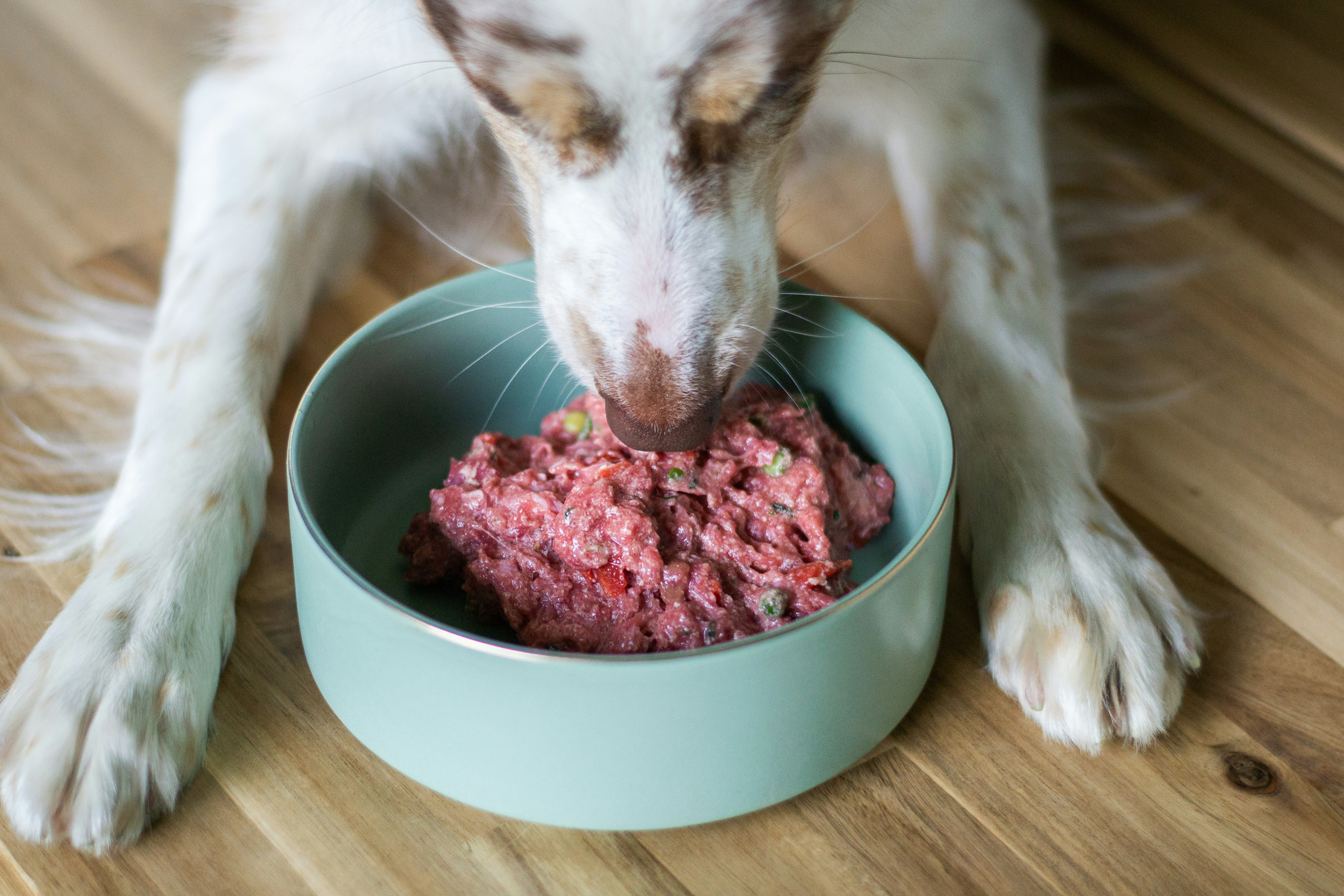
1. Understanding the Basics: What Is Pet Dry Food and Wet Food?
Pet Dry Food (Kibble)
Dry pet food is made by mixing meat, grains, vegetables, and supplements, then baked or extruded into bite-sized pieces. It usually contains around 10% moisture and has a crunchy texture. Popular options include grain-free dry food, high-protein dry food, and vet-recommended formulas for specific health needs like digestion or weight management.
Key advantages:
Long shelf life
Easy to store and serve
Helps maintain dental health
Cost-effective for bulk buying
Wet Pet Food (Canned or Pouched Food)
Wet food contains a much higher moisture content (around 70–80%), offering a soft texture and richer aroma. It’s often made with meat chunks, broth, and added vitamins.
Key advantages:
Hydration support for pets that don’t drink enough water
More palatable — ideal for picky eaters
Gentle on sensitive stomachs
Often higher in protein and fat
2. Nutritional Differences Between Dry and Wet Pet Food
Understanding the nutritional composition of dry vs wet food helps you make informed decisions.
Dry food tends to be more calorie-dense, making it ideal for active pets or multi-pet households. Meanwhile, wet food offers more hydration and is gentler for pets with dental issues or reduced appetite.
3. Benefits of Feeding Pet Dry Food
Pet dry food remains the top choice for many pet owners — and for good reason. Here’s why:
a. Convenience and Storage
Dry food is easy to measure, store, and serve. It doesn’t require refrigeration and can be left out longer without spoiling — perfect for busy owners or those with multiple pets.
b. Dental Health Support
The crunchy texture of kibble helps scrape plaque and tartar off teeth, promoting better oral hygiene. Some veterinarian-approved dry foods even contain ingredients that specifically support dental health.
c. Cost-Effective Option
Dry food tends to be more affordable per serving, and buying pet dry food in bulk saves even more, especially for large breeds or pet retailers.
d. Balanced Nutrition
Modern dry foods are often AAFCO-certified and contain the right balance of protein, fat, fiber, and micronutrients. Many premium brands now include prebiotics, omega fatty acids, and antioxidants.
4. Benefits of Feeding Wet Food
While pet dry food has clear advantages, wet food provides unique benefits that can’t be ignored.
a. Improved Hydration
Cats and small dogs often drink less water than they should. Wet food naturally increases fluid intake, helping prevent urinary tract infections (UTIs) and kidney problems.
b. More Palatable for Picky Eaters
The rich aroma and texture of wet pet food make it highly appealing. Older pets or those with reduced sense of smell often prefer it.
c. Easier Digestion
Wet food’s soft texture and high moisture content make it easier to digest, especially for pets with sensitive stomachs, missing teeth, or dental disease.
d. Suitable for Weight Management
Because wet food has lower caloric density, it helps control weight by keeping pets full without overeating.

5. Potential Downsides of Each Type
Dry Food Drawbacks
May lack sufficient hydration
Can contain low-quality fillers (corn, soy, or by-products) in cheaper brands
Not ideal for pets with dental or swallowing problems
Wet Food Drawbacks
Spoils quickly after opening
More expensive long-term
Can contribute to dental plaque buildup
Messier to serve and store
6. Which Is Healthier? Depends on Your Pet
The answer isn’t one-size-fits-all. The healthiest pet food depends on your pet’s age, breed, activity level, and health condition.
For Dogs:
Puppies: Often thrive on high-protein dry food with DHA for brain development.
Active breeds: Need calorie-dense dry food.
Seniors or small dogs: May benefit from soft, moist wet food.
For Cats:
Kittens: Require wet food for hydration and palatability.
Indoor cats: Benefit from a mix of wet and dry food to manage weight.
Older cats: Often prefer wet food to ease digestion and reduce strain on kidneys.
7. Combining Dry and Wet Food: The Best of Both Worlds
Many veterinarians recommend a mixed feeding approach, combining dry and wet food to get the best of both.
Benefits include:
Balanced hydration and dental care
Enhanced flavor variety
Improved nutrient absorption
Cost-effective feeding
Example feeding plan:
Morning: Dry food (measured portion for energy)
Evening: Wet food (moisture and flavor boost)
Just ensure total calories meet your pet’s daily needs to prevent overfeeding.
8. Key Factors to Consider When Choosing Between Dry and Wet Pet Food
When deciding, look beyond the label. Here’s what to evaluate:
a. Ingredient Quality
Choose products made with real meat, natural ingredients, and no artificial preservatives. Avoid fillers like corn or soy.
b. Nutritional Balance
Look for labels that meet AAFCO or FEDIAF standards for complete and balanced nutrition.
c. Special Health Needs
If your pet has allergies, obesity, or a sensitive stomach, consider grain-free, hypoallergenic, or vet-recommended dry food.
d. Brand Reputation
Opt for reputable brands known for quality control and scientifically backed formulations. Check reviews and certifications.
9. Storage and Shelf Life Tips
Dry food:
Store in airtight containers.
Keep away from heat and moisture.
Use within 6 weeks of opening.
Wet food:
Refrigerate after opening.
Serve within 48 hours.
Discard leftovers to prevent bacteria growth.
Proper storage ensures your pet food stays fresh and nutritious.
10. Vet Recommendations: How to Make the Right Choice
Veterinarians often suggest considering your pet’s hydration habits, age, and dental health before deciding.
For active pets: Dry food supports energy and dental care.
For picky eaters or seniors: Wet food offers taste and easier chewing.
For digestive issues: Look for sensitive stomach formulas with probiotics.
If you’re unsure, consult your vet or a pet nutrition specialist for a personalized feeding plan.
11. Pet Food Industry Trends in 2025
Recent trends show pet owners are shifting toward premium, natural, and functional pet food. Top demands include:
Grain-free dry food
Freeze-dried raw diets
Organic wet food
High-protein, low-carb formulas
These trends reflect growing awareness of pet health and nutrition, and retailers offering such options gain a competitive edge.
Conclusion
The debate between pet dry food vs wet food isn’t about which one is universally better — it’s about finding what works best for your pet’s unique needs.
Dry food is convenient, cost-effective, and supports dental health.
Wet food provides hydration, flavor, and gentle digestion.
A combination of both often delivers the perfect balance of nutrition and satisfaction.
Ultimately, the healthiest diet is one that’s nutritionally balanced, made from quality ingredients, and suited to your pet’s lifestyle. Choose wisely, observe how your pet responds, and don’t hesitate to seek professional advice. Your furry companion deserves nothing less than the best.
Address: 123djflakwneflksndfwefMobile phone: +86-123 3456 7890Telephone: 123 3456 7890Email: info@formaterra.comTailneed have over 10 years of experience in the production of pet food. Our long-standing experience and the unique production chain, covering every process, allows us offering only the premium quality products, specially balanced for your beloved four-legged pets.
Copyright © 2026 Tailneed Ltd. All Rights Reserved. POWERED BY WEIMOBTRADE


