
Key Takeaways
A pet licking mat encourages slow eating, which helps prevent bloating and supports healthy digestion.
Bloating can be dangerous for pets, leading to serious health issues like gastric dilatation volvulus (GDV).
Watch for signs of bloating, such as restlessness, excessive drooling, or abdominal swelling, and seek veterinary care immediately if noticed.
Using a licking mat can reduce the amount of air pets swallow, lowering the risk of digestive discomfort and bloating.
Choose a licking mat made from food-grade silicone to ensure safety and comfort for your pet.
Introduce the licking mat gradually, using treats to encourage your pet to engage with it.
Regular cleaning of the licking mat is essential to prevent bacteria buildup and ensure a safe feeding experience.
Monitor your pet during the first few uses of the mat to prevent chewing or swallowing pieces, which can lead to health risks.
What Is Bloating
Bloating in pets describes a condition where the stomach becomes visibly swollen due to gas, fluid, or food. You may hear veterinarians use the term "bloat" as a general description for this distension. However, a more severe form, called gastric dilatation volvulus (GDV), occurs when the stomach not only fills with gas but also twists on itself. This twisting traps the contents inside and blocks both the entry and exit points of the stomach. While bloat can happen without twisting, GDV represents a life-threatening emergency that requires immediate attention.
Note: Bloat and GDV are not the same. Bloat refers to stomach swelling, while GDV involves both swelling and twisting of the stomach.
Several factors can cause bloating in dogs and cats. Swallowing excess air during rapid eating is a common trigger. Sometimes, a blockage at the bottom of the stomach prevents gas and food from leaving properly. In cats, weak abdominal muscles can make them more prone to abdominal distension, especially after a large meal or when fluid accumulates in the abdomen.
Why It’s Dangerous
Bloating poses serious risks to your pet’s health. When the stomach expands, it can press against other organs and blood vessels. This pressure may compress the diaphragm, making it hard for your pet to breathe. If the stomach twists, gas and food cannot escape, causing even more pressure to build up. The increased pressure can cut off blood flow to the heart, leading to shock and organ failure.
Unrelieved bloat can:
Compress veins, reducing blood return to the heart.
Prevent the lungs from expanding fully, causing breathing difficulties.
This leads to the fermentation of food and further gas buildup.
Causes the stomach to twist, trapping contents and worsening the situation.
Without prompt treatment, these complications can become fatal within hours. Recognizing the dangers of bloating helps you act quickly if your pet shows symptoms.
Signs To Watch For
Early detection of bloating can save your pet’s life. You should watch for these warning signs:
Restlessness, pacing, or acting anxious
Unproductive retching or dry heaving
Excessive drooling
Noticeable abdominal swelling
Changes in posture, such as standing stiffly or arching the back
Heavy or rapid breathing
Staring at the belly or showing discomfort when the abdomen is touched
Panting, whining, or agitation
Pale gums and a racing heartbeat
If you notice any of these symptoms, seek veterinary care immediately. Quick action can make a critical difference for your pet’s recovery.
Understanding what bloating is, why it’s dangerous, and how to spot the signs empowers you to protect your pet’s health. By staying alert and informed, you can respond quickly and help prevent serious complications.
How Fast Eating Causes Bloating
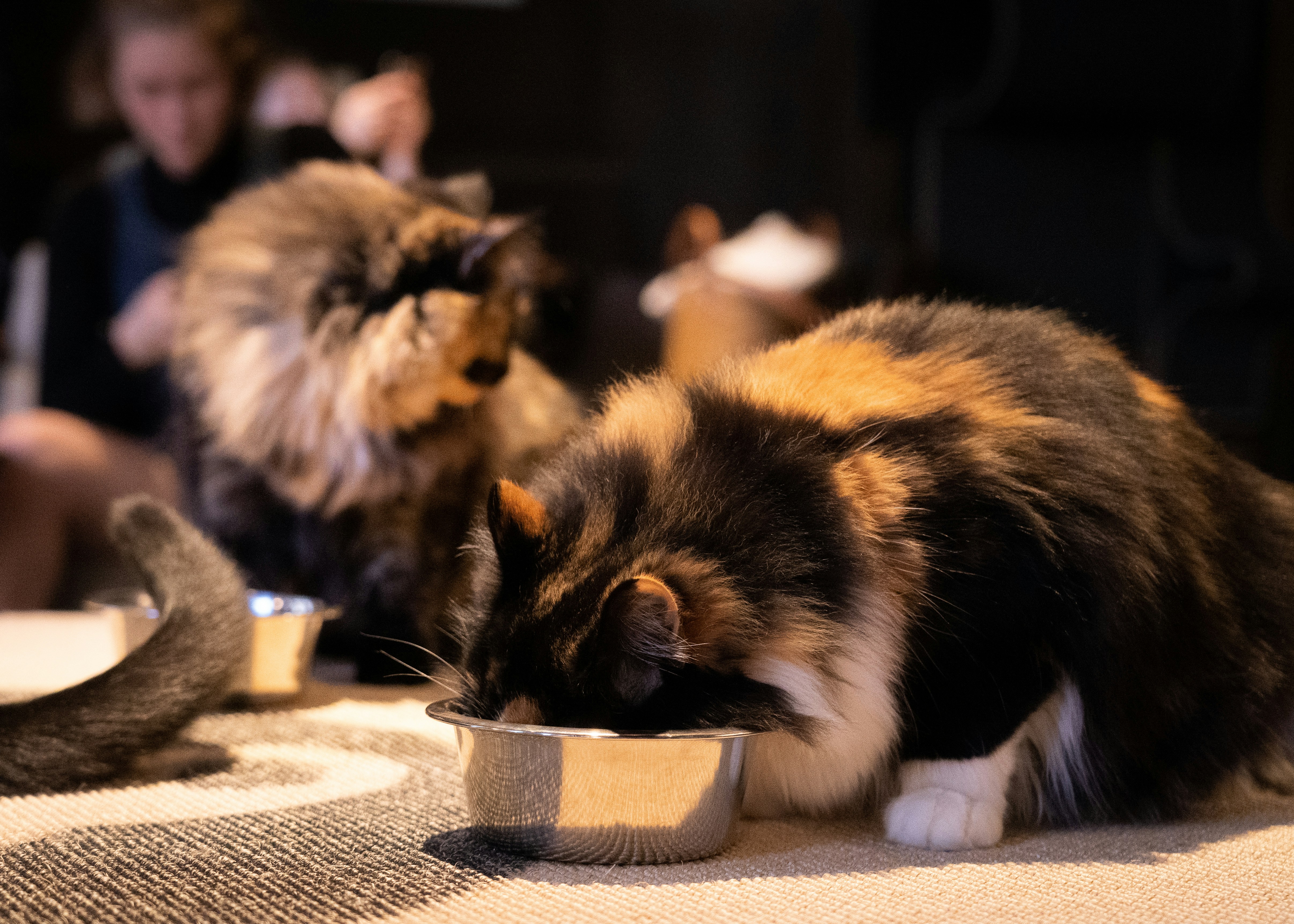
You may not realize how quickly your pet eats until you see the empty bowl within seconds. Fast eating does more than just empty the dish—it can create serious health risks. When your pet gulps down food, they swallow large amounts of air along with their meal. This extra air fills the stomach and increases the risk of bloating.
Rapid eating or drinking can cause excessive air intake.
Eating too quickly can increase swallowed air.
The stomach stretches to accommodate both food and air. This distension can lead to discomfort, pain, and, in severe cases, dangerous bloating. Pets that eat too fast often do not chew their food properly. Large chunks of food can move into the stomach and intestines, making digestion harder and increasing the risk of blockages. You may notice your pet burping, passing gas, or acting restless after a fast meal. These are early signs that the digestive system is under stress.
You can help your pet by slowing down their eating. Using a pet licking mat encourages your pet to take smaller bites and spend more time on each mouthful. This simple change can reduce the amount of air swallowed and lower the risk of bloating.
Tip: If you notice your pet eating too quickly, consider spreading meals throughout the day or using a slow feeder to encourage a healthier pace.
Pets Most At Risk
Some pets face a higher risk of bloating due to their breed, body shape, or eating habits. Large and deep-chested dog breeds are especially vulnerable. Genetics, meal size, and feeding routines also play a role.
You should pay close attention if your pet fits any of these categories. Dogs that eat quickly, use raised food bowls, or have a family history of gastric dilatation volvulus (GDV) face greater risks. Other factors include eating from elevated dishes and exercising within an hour before or after meals.
Eating quickly
Using raised food bowls
Having a family history of GDV
Exercising within 1 hour before or after eating
Cats can also develop bloating, especially if they eat too fast or have underlying digestive issues. However, the risk is highest in large, deep-chested dogs. By understanding these risk factors, you can take steps to protect your pet’s health and prevent dangerous complications.
How the Pet Licking Mat Works
A pet licking mat transforms your pet’s mealtime into a slow, engaging activity. The mat features a textured surface with raised patterns and grooves. You spread your pet’s food or treats across this surface. Your pet must use their tongue to reach every bit, which takes more time than eating from a regular bowl. This process encourages mindful licking and prevents gulping.
Here is a quick overview of the main features and their benefits:
Textured surface
Encourages slow, mindful licking
Strong suction cups
Prevents slipping during use
Suitable for soft treats
Extends treat time and reduces gulping
Multi-level textures
Promotes healthy digestion and eases anxiety
Dishwasher and freezer safe
Simplifies cleanup and preparation
You can use the pet licking mat for both dry and wet food. The 2-in-1 design works for dogs and cats of all sizes. The mat’s dimensions and hidden grooves make mealtime more interesting and challenging for your pet.
Slowing Down Eating
The textured surface of a pet licking mat plays a crucial role in slowing down your pet’s eating speed. When your pet licks food from the mat, they must work around the raised patterns and grooves. This action naturally slows their pace and prevents them from swallowing large amounts of food or air at once.
Lick mats help slow down pets that eat too quickly by requiring them to lick food from a textured surface, which takes more time than eating from a bowl.
The raised patterns encourage licking, which reduces the risk of gulping and indigestion.
Lick mats serve as slow feeders, effectively reducing the speed at which pets consume their food.
You can use the mat with a variety of foods, including peanut butter, yogurt, canned food, or kibble. The slow feeder design helps prevent choking and supports healthy digestion. The mat’s strong suction cups keep it in place, even with enthusiastic eaters.
Reducing Bloating Risk
Slowing down your pet’s eating with a pet licking mat offers significant health benefits. When pets eat quickly, they tend to swallow air, which can cause the stomach to swell and increase the risk of bloating. By spreading food across a textured surface, the mat encourages your pet to eat at a slower pace. This change can alleviate digestive discomfort and lower the risk of bloating.
The mat’s design also supports your pet’s mental well-being. Licking is a natural behavior that helps reduce stress and anxiety. The act of licking produces serotonin, a hormone that improves mood and promotes calmness in pets. Using a pet licking mat during stressful situations, such as grooming or thunderstorms, can help your pet focus their energy and feel more relaxed.
Safety remains a top priority. The mat is made from BPA-free, non-toxic silicone, which is gentle on your pet’s tongue and teeth. You can clean it easily in the dishwasher, ensuring a hygienic feeding experience every time.
Note: The pet licking mat provides mental stimulation, prevents boredom, and encourages problem-solving. These benefits support cognitive health and help prevent destructive behaviors.
A pet licking mat suits pets of all sizes and breeds. Whether you have a small cat or a large dog, you can use this tool to promote healthy eating habits and improve your pet’s overall well-being.
Choosing The Right Mat
Selecting the right licking mat ensures your pet’s safety and enjoyment. You should consider your pet’s size, eating habits, and any material sensitivities. The following table helps you match the mat to your pet’s needs:
Small Dogs
6-8 inches
Deep grooves help slow natural eaters; flatter surfaces suit fast eaters
Food-grade silicone is safe and non-toxic; natural rubber is also safe but may cause allergies
Medium & Large Dogs
8-12 inches
Adjust groove depth for tongue size and eating speed
Use food-grade silicone or safe rubber for larger pets
Always choose a mat made from food-grade silicone or safe rubber. These materials protect your pet from harmful chemicals and provide a gentle surface for their tongue and teeth. If your pet has allergies, avoid natural rubber and stick with silicone.
Introducing Your Pet
Introducing a pet licking mat to your pet requires patience and encouragement. Follow these steps to help your pet feel comfortable and excited about their new feeding routine:
Spread your pet’s favorite treat or wet food onto the mat.
Place the mat near your pet’s favorite toys or resting spot.
Add a sprinkle of catnip or a dog-safe flavor enhancer to attract interest.
Sit nearby and encourage your pet to explore the mat.
Warm the food slightly to enhance its aroma and appeal.
Tip: Stay positive and patient. Some pets may need a few tries before they fully engage with the mat.
Cleaning Tips
Maintaining a clean licking mat keeps your pet healthy and extends the mat’s life. Follow these steps for effective cleaning:
Soak the mat in warm, soapy water to loosen food particles.
Use a soft-bristled brush or non-abrasive sponge to scrub textured areas.
Rinse thoroughly under running water or use a high-pressure sprayer.
For stubborn messes, increase soak time or freeze the mat overnight to make cleaning easier.
Use pet-safe cleaning solutions or a baking soda paste for tough stains.
Note: Many mats are dishwasher-safe, making cleanup even easier. Always check the manufacturer’s instructions before placing the mat in the dishwasher.
A clean pet licking mat ensures a safe, enjoyable feeding experience every time.
Safety Precautions
When you introduce a pet licking mat into your pet’s routine, you want to ensure their safety at every step. Following a few essential precautions helps you create a secure and enjoyable experience for your furry friend.
1. Supervise Initial Use
Always supervise your pet the first few times they use the licking mat. Some pets may chew or bite the mat out of curiosity. If you notice your pet trying to chew or tear the mat, redirect their attention and remove the mat if necessary. Supervision helps you understand how your pet interacts with the mat and prevents accidental ingestion of pieces.
2. Inspect for Wear and Tear
Check the licking mat before and after each use. Look for signs of damage, such as tears, cracks, or missing pieces. Damaged mats can pose a choking hazard or cause digestive issues if swallowed. Replace the mat immediately if you find any defects.
3. Choose Safe Foods
Select only pet-safe foods and treats for the licking mat. Avoid ingredients that are toxic to pets, such as chocolate, xylitol, grapes, raisins, onions, or garlic. Stick to veterinarian-approved options like peanut butter (xylitol-free), yogurt, canned food, or kibble. If you introduce a new food, monitor your pet for any allergic reactions.
Tip: Always read ingredient labels before spreading any food on the mat.
4. Prevent Overfeeding
Licking mats can make mealtime last longer, but you should still control portion sizes. Measure your pet’s food to avoid overfeeding, which can lead to weight gain or digestive problems. Use the mat as part of your pet’s regular feeding schedule, not as an extra meal.
5. Clean Thoroughly After Each Use
Wash the mat thoroughly after every use to prevent bacteria buildup. Food residue can attract pests or cause illness if left on the mat. Most silicone mats are dishwasher-safe, but always check the manufacturer’s instructions.
6. Store Safely
Store the licking mat in a clean, dry place when not in use. Keep it out of reach of pets who may try to chew on it unsupervised.
Supervise Use
Prevents chewing or swallowing pieces
Watch your pet during use
Inspect Regularly
Avoids choking hazards
Check for damage before each use
Use Safe Foods
Prevents poisoning or allergies
Choose pet-safe ingredients
Control Portions
Maintains healthy weight
Measure food each time
Clean After Use
Reduces risk of illness
Wash thoroughly after each meal
Store Properly
Prevents unsupervised chewing
Keep mat out of reach when stored
Note: If your pet shows signs of distress, discomfort, or allergic reaction after using the mat, stop use immediately and consult your veterinarian.
By following these safety precautions, you provide a safe, enriching feeding experience for your pet. You help prevent accidents and ensure that the licking mat remains a positive addition to your pet’s daily routine.
Mental Stimulation
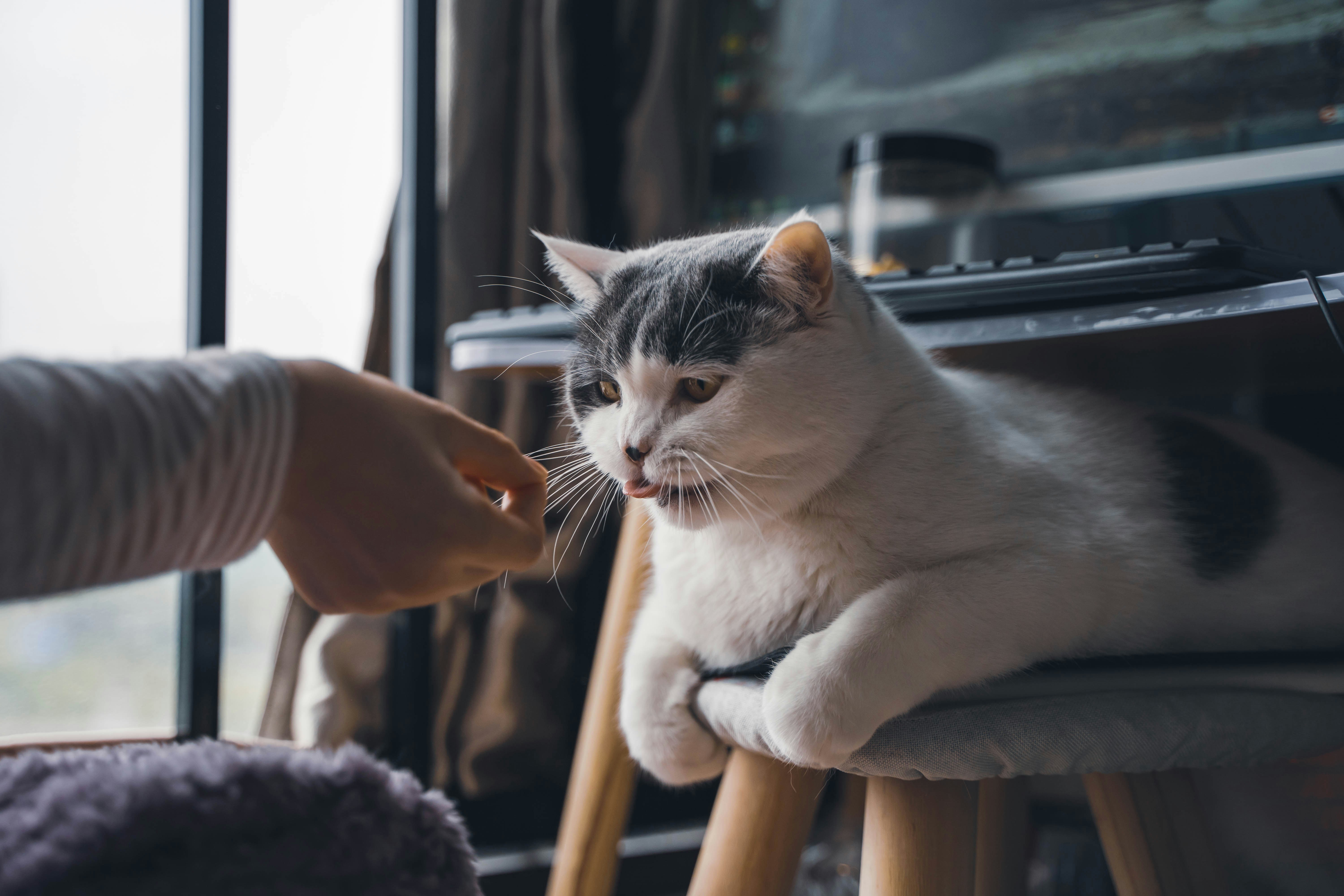
You want your pet to stay sharp and engaged during mealtime. A pet licking mat provides more than just a slow feeding experience. The textured surface challenges your pet to use their tongue and explore every groove. This activity stimulates your pet’s mind and encourages problem-solving. Pets that use licking mats often show increased curiosity and focus. You can spread a variety of foods on the mat, such as peanut butter or yogurt, to keep your pet interested and mentally active.
Licking mats provide mental stimulation.
They encourage slower eating, which benefits pets that eat too quickly.
The puzzle-like design keeps your pet entertained and prevents boredom.
Mental stimulation supports your pet’s cognitive health. You help prevent destructive behaviors by giving your pet a positive outlet for their energy. Regular use of a licking mat can make mealtime a rewarding experience for both you and your pet.
Reducing Stress
Stress can affect your pet during grooming, travel, or vet visits. You can use a licking mat to help your pet feel calm and secure. The repetitive action of licking releases endorphins, which are natural chemicals that soothe your pet. This self-soothing activity helps your pet relax and reduces anxiety. When you offer a licking mat during stressful situations, your pet focuses on the treat instead of the stressor.
Tip: Use a licking mat as a distraction during grooming or vet appointments. You will notice your pet’s attention shift away from the stressful event.
Licking mats serve as a valuable tool for managing your pet’s emotions. You create a positive association with challenging experiences. Over time, your pet may become more comfortable with grooming or travel routines.
Portability And Convenience
You need feeding solutions that fit your busy lifestyle. Pet licking mats offer portability and convenience for travel and everyday use. Many mats feature a foldable or collapsible design, making them easy to pack and store. Lightweight materials allow you to carry the mat wherever you go. Some mats include integrated features like a carabiner for attachment or a freezable surface for cooling treats.
Collapsible
Reduces in size for easy transport
Lightweight
Easy to carry, suitable for travel
Integrated features
Carabiner for attachment, freezable design
Dishwasher safe
Quick cleaning, enhances usability on the go
You can set up the mat quickly for treat time, whether you are at home, in the car, or outdoors. The non-slip base keeps the mat in place, minimizing messes during enthusiastic licking. Dishwasher-safe materials simplify cleaning, so you spend less time on maintenance.
You can use the licking mat during grooming, travel, or vet visits to provide comfort and entertainment for your pet.
A portable licking mat ensures your pet enjoys a consistent feeding routine wherever you go. You support your pet’s health and happiness with a convenient, travel-friendly solution.
Persistent Bloating
You play a vital role in your pet’s health. Recognizing when to seek veterinary care can save your pet’s life. Bloating, especially in dogs, can escalate quickly and become life-threatening. You should never ignore signs of persistent bloating. If your pet’s abdomen appears swollen or hard, or if you notice discomfort that does not resolve within a short time, you need to act fast.
Alert: Bloating can progress rapidly. Early intervention gives your pet the best chance for recovery.
You should contact your veterinarian immediately if you observe any of the following:
Your pet’s stomach looks distended or feels firm to the touch.
Your pet tries to vomit, but nothing comes up.
You see excessive drooling or restlessness.
Your pet pants heavily or has trouble breathing.
Your pet shows signs of pain, such as whining or pacing.
These symptoms may indicate gastric dilation-volvulus (GDV), a medical emergency. You should not wait to see if the symptoms improve. Quick action can prevent severe complications and may save your pet’s life.
If you notice any signs of bloating, especially those linked to GDV, contact a veterinarian immediately.
If you suspect your dog is experiencing bloat, seek veterinary assistance right away.
Other Health Concerns
While licking mats offer many benefits, you must remain alert for other health issues that may arise. Some pets may chew or swallow pieces of their licking mat. This behavior can lead to choking, vomiting, or even intestinal blockages. You should monitor your pet during use and inspect the mat for damage after each session.
If your pet chews and swallows part of the mat, seek veterinary care.
If your cat or dog vomits after using the mat, check for signs of ingestion and consult your veterinarian.
Watch for symptoms such as loss of appetite, lethargy, or abdominal pain.
Pets that lick excessively may also have underlying gastrointestinal disorders. If you notice your pet licking the mat obsessively or showing changes in behavior, schedule a veterinary checkup. Persistent licking can signal discomfort or illness that needs professional attention.
Tip: Always supervise your pet with new enrichment tools. If you see unusual behavior or symptoms, consult your veterinarian promptly.
By staying vigilant and responding quickly to health concerns, you help ensure your pet’s safety and well-being. Your proactive approach makes a difference in your pet’s quality of life.
You can help your pet eat safely and enjoyably with a licking mat. This tool slows eating, which supports digestion and lowers the risk of bloating. Veterinarians agree that lick mats encourage slower consumption and prevent life-threatening conditions.
You also support oral health and reduce stress. Try a licking mat and watch your pet’s habits. If you notice persistent issues, consult your veterinarian.
Address: 123djflakwneflksndfwefMobile phone: +86-123 3456 7890Telephone: 123 3456 7890Email: info@formaterra.comTailneed have over 10 years of experience in the production of pet food. Our long-standing experience and the unique production chain, covering every process, allows us offering only the premium quality products, specially balanced for your beloved four-legged pets.
Copyright © 2026 Tailneed Ltd. All Rights Reserved. POWERED BY WEIMOBTRADE


