
Choosing the right cat litter might seem simple, but it’s one of the most important decisions for cat owners. The right litter keeps your home fresh, your cat comfortable, and your cleaning routine simple. From clumping clay to eco-friendly biodegradable litter, each type offers unique benefits. This guide explores the best types of cat litter, their features, and how to make the right choice for your cat and your home.
Why Cat Litter Matters
Cats are naturally clean animals, and the litter you choose can affect their behavior, comfort, and health. A poor-quality litter can lead to problems such as unpleasant odors, excessive dust, or even litter box avoidance. A high-quality cat litter encourages good habits, reduces cleaning stress, and keeps your space hygienic.
Beyond convenience, litter also impacts your cat’s well-being. Dusty or heavily scented litter can cause respiratory irritation. Low-quality litter can harbor bacteria or fail to absorb moisture effectively. Understanding these factors helps you create a healthier environment for your cat.
The Main Types of Cat Litter
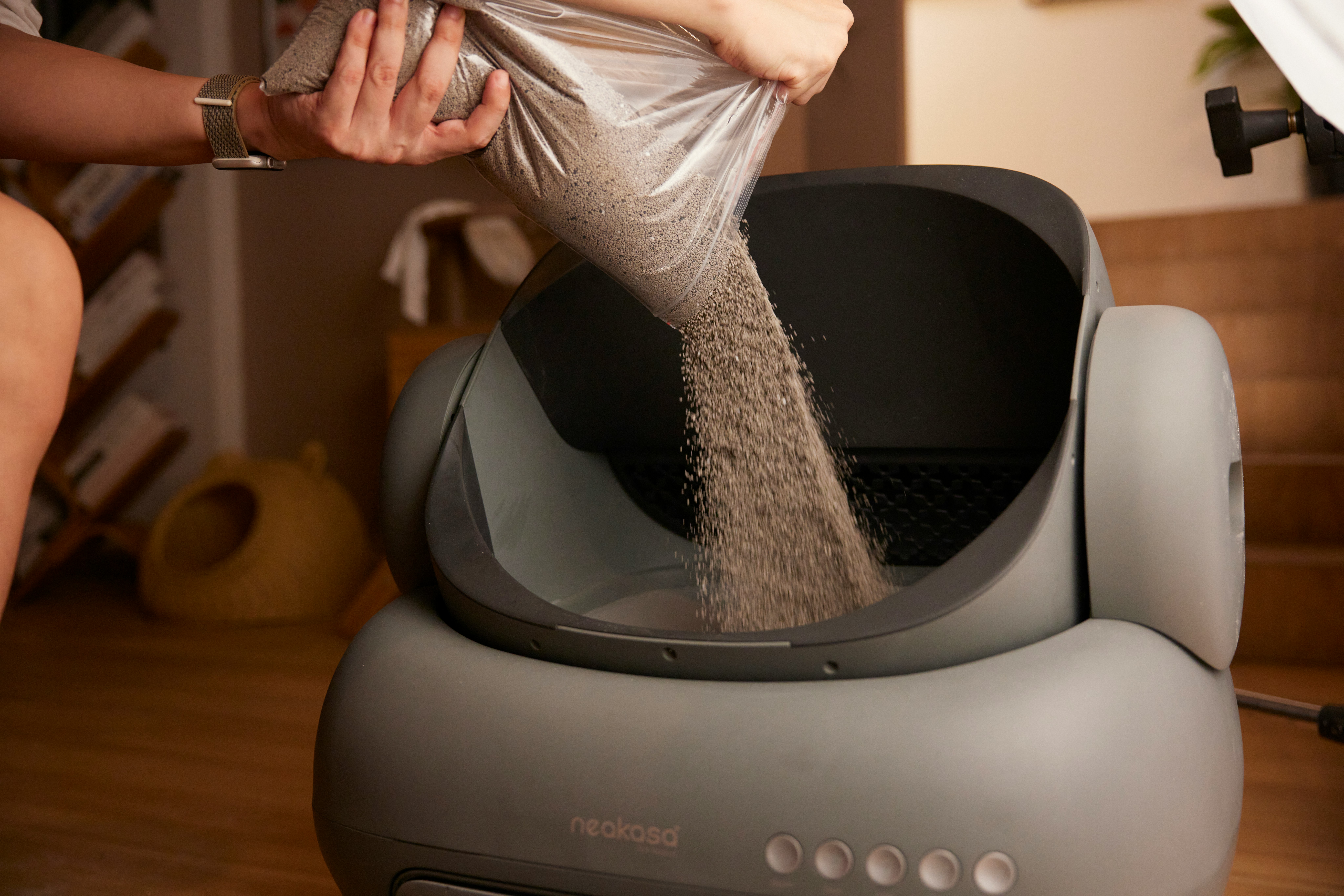
There are several types of cat litter on the market, each with different materials, textures, and absorption abilities. Knowing their differences helps you select the right one for your cat’s needs.
1. Clumping Clay Litter
Made from bentonite clay, clumping cat litter is one of the most popular options. It forms solid clumps when wet, making it easy to scoop out waste.
Advantages:
Excellent odor control
Easy to clean and maintain
Ideal for multi-cat households
Disadvantages:
Can be dusty if not labeled low dust
Heavier than other types
Not biodegradable
Clumping clay litter remains the go-to choice for many cat owners because it offers convenience and reliable performance.
2. Non-Clumping Clay Litter
Non-clumping clay litter is an older variety that absorbs moisture but doesn’t form clumps.
Advantages:
Generally cheaper
Good initial absorption
Disadvantages:
Needs to be replaced more often
Less effective for odor control
This type can work well for kittens or temporary litter box setups, but it’s less efficient for long-term use.
3. Silica or Crystal Litter
Silica litter, often called crystal litter, is made of silica gel beads that absorb moisture and control odor effectively.
Advantages:
Excellent odor control
Long-lasting
Low dust
Disadvantages:
Some cats dislike the texture.
More expensive than clay litter
Silica litter is ideal for busy pet owners who prefer less frequent litter box changes and superior odor management.
4. Biodegradable and Plant-Based Litter
Made from natural materials like corn, wheat, pine, or paper, biodegradable cat litter is an eco-friendly alternative.
Advantages:
Sustainable and compostable
Lightweight and low dust
Often flushable
Disadvantages:
May break down too quickly
Odor control varies
Eco-conscious owners love these litters for their environmental benefits and gentleness on sensitive cats.
5. Hybrid Litters
Hybrid cat litters blend materials such as clay and natural fibers or clay and silica, combining odor control, clumping, and dust reduction.
They offer a balance between performance and sustainability, appealing to cat owners who want both convenience and eco-friendly options.
Key Factors to Consider When Choosing Cat Litter
When selecting cat litter, consider the following aspects to ensure comfort, hygiene, and practicality.
Odor Control
Odor is one of the top concerns for cat owners. Choose litters designed for odor control, often enhanced with activated carbon or baking soda. Good odor management keeps your home smelling fresh, even in multi-cat households.
Clumping Ability
For easy daily maintenance, a clumping litter that forms firm, scoopable clumps saves time and keeps the box cleaner. It also prevents wet spots that cause ammonia smells.
Dust Level
Look for low-dust litter, especially if your cat or family members have allergies. Low-dust formulas help improve air quality and reduce mess around the litter box.
Tracking Resistance
Cats sometimes track litter particles across the floor. Litters with larger grains or anti-tracking designs minimize scatter, keeping your space cleaner.
Environmental Impact
Many cat owners now prefer flushable or biodegradable litter options. If sustainability is important to you, consider a plant-based litter made from renewable materials.
Price and Availability
While premium litters offer advanced features, affordability matters. Balance performance with cost and choose a litter that fits your routine.
Introducing a Premium Cat Litter Example
To better understand what makes an exceptional cat litter, let’s take a look at what a high-performance product might offer.
PurePaws Premium Clumping Cat Litter
PurePaws delivers an advanced litter experience for cats and their owners. It features rapid clumping technology that forms tight, scoopable clumps in seconds. It's a natural odor-control formula that neutralizes unpleasant smells, while the low-dust design keeps your air fresh and clean.
Key Features:
Fast and firm clumping for easy cleaning
Excellent odor control with natural minerals
99% dust-free formula
Low tracking and easy to handle
Suitable for multiple cats
Long-lasting freshness
This type of litter ensures hygiene, convenience, and comfort—all in one bag. Cat owners seeking premium quality find this option reliable for long-term use.
How to Use Cat Litter Properly
Even the best litter performs better when used correctly. Follow these steps for optimal results:
Fill the box with 2–3 inches of fresh litter.
Scoop daily to remove clumps and solid waste.
Refill as needed to maintain consistent depth.
Change completely every 7–10 days, depending on litter type and number of cats.
Clean the box regularly with mild soap and water—avoid strong scents that may deter cats.
Switching litters should be done gradually to prevent stress. Mix new and old litter over a week to allow your cat to adapt comfortably.
Tips for a Fresh and Clean Litter Box
Place the litter box in a quiet, well-ventilated area.
Use a litter mat to catch stray particles.
For multi-cat homes, provide one litter box per cat plus one extra.
Add a small layer of baking soda under the litter to boost freshness.
Avoid scented sprays or strong fragrances around the litter box.
Keeping the litter area clean not only reduces odors but also encourages your cat to use the box consistently.
Final Thoughts
The right cat litter can transform your daily pet care routine. It makes cleaning easier, reduces odor, and keeps your cat comfortable. Whether you prefer clumping clay, silica crystals, or eco-friendly biodegradable litter, the key is finding a balance between convenience, performance, and your cat’s personal preference.
By paying attention to factors like odor control, low dust, and clumping ability, you can maintain a cleaner home and a happier cat. A thoughtfully chosen litter not only enhances hygiene but also supports your cat’s health and comfort — a win-win for both owner and pet.
Address: 123djflakwneflksndfwefMobile phone: +86-123 3456 7890Telephone: 123 3456 7890Email: info@formaterra.comTailneed have over 10 years of experience in the production of pet food. Our long-standing experience and the unique production chain, covering every process, allows us offering only the premium quality products, specially balanced for your beloved four-legged pets.
Copyright © 2026 Tailneed Ltd. All Rights Reserved. POWERED BY WEIMOBTRADE


