
As pet owners, one of the most important decisions we make for our pets is what we feed them. A nutritious diet is essential for maintaining their health, energy, and overall well-being. However, with numerous options available on the market, it can be overwhelming to choose the right pet food for your furry companion.
In this guide, we’ll cover everything you need to know about pet food—what to look for, how to choose the best options, and why feeding your pet the right food is crucial for their health.
1. Understanding Pet Food: What Are the Different Types?
Before diving into what makes pet food "good," it’s important to understand the various types of pet food available on the market.
Dry Food (Kibble)
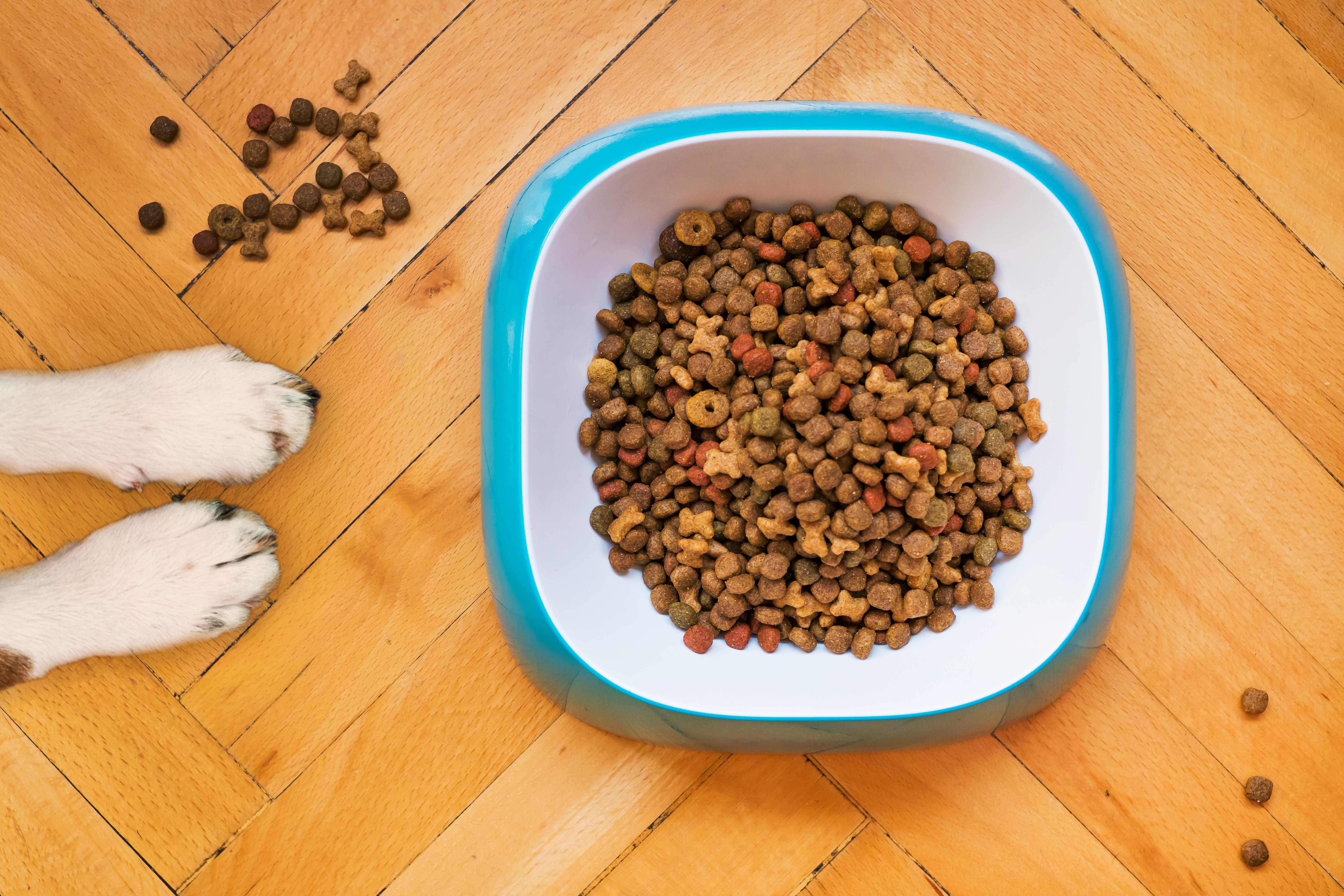
Dry food is a popular choice for pet owners due to its convenience, affordability, and long shelf life. It’s easy to store, and most pets enjoy the crunchiness. Dry food helps to keep teeth clean by reducing plaque buildup, and it’s often fortified with essential nutrients.
However, dry food tends to have a lower moisture content, which may not be ideal for pets that require regular hydration. It’s essential to ensure your pet has access to fresh water at all times, especially if you’re feeding them dry food.
Wet Food (Canned Food)
Wet food is high in moisture content, which can be beneficial for pets that struggle to stay hydrated or those with specific health issues. It’s often considered more palatable than dry food, making it a good option for picky eaters.
However, wet food is generally more expensive than dry food, and it has a shorter shelf life once opened. You should also pay attention to the ingredients to ensure the food is nutritionally balanced.
Raw Food (BARF Diet)
The BARF (Biologically Appropriate Raw Food) diet has gained popularity in recent years. It’s based on feeding pets a diet that closely resembles what they would eat in the wild, such as raw meat, bones, fruits, and vegetables.
While raw food proponents argue that it can offer various health benefits, it’s important to be aware of potential risks, including bacterial contamination and nutritional imbalances. If you’re considering a raw food diet for your pet, consult with your veterinarian to ensure it’s the right choice.
Freeze-Dried and Dehydrated Food
Freeze-dried and dehydrated foods are another option for pet owners who want to provide their pets with high-quality ingredients while keeping convenience in mind. These foods are lightweight and have a long shelf life, but they need to be rehydrated before serving.
These types of pet food are often more expensive than dry food, but they are packed with nutrients and often use high-quality ingredients.
2. Key Ingredients to Look for in Pet Food
When shopping for pet food, the ingredients list is your best guide. Always opt for foods that use high-quality ingredients and avoid those that contain fillers or artificial additives.
Here are the key ingredients to look for:
Protein
Protein is the cornerstone of any pet’s diet, as it’s essential for muscle development, immune function, and overall health. Look for high-quality protein sources like chicken, turkey, beef, lamb, or fish in the first few ingredients. Avoid foods that list “meat by-products” or “meat meal” as their primary protein source.
Carbohydrates
While pets, especially cats, are obligate carnivores, carbohydrates are still necessary for energy. Look for whole grains like brown rice, oats, and sweet potatoes, or grain-free options like peas, lentils, and chickpeas. Carbohydrates also provide fiber, which aids in digestion.
Fats
Healthy fats are crucial for skin and coat health, as well as overall energy levels. Omega-3 and Omega-6 fatty acids, typically found in fish oils or flaxseed, are particularly beneficial for your pet’s health.
Fruits and Vegetables
Fruits and vegetables are a great source of vitamins, minerals, and antioxidants, which support your pet’s immune system and general well-being. Common ingredients include carrots, blueberries, spinach, and pumpkin. Look for natural sources of fiber like sweet potatoes to promote healthy digestion.
Vitamins and Minerals
Vitamins and minerals help support various functions in your pet’s body, from bone health to immune function. Always ensure that the pet food you choose is fortified with essential vitamins and minerals such as Vitamin A, D, E, and calcium.
3. Avoid These Harmful Ingredients
While there are many high-quality pet foods available, there are also some that contain harmful ingredients. When shopping for pet food, it’s important to know what to avoid.
Artificial Preservatives: BHT, BHA, and ethoxyquin are synthetic preservatives that have been linked to health issues. Always opt for natural preservatives like vitamin E or rosemary.
By-Products and Fillers: Ingredients like corn gluten meal, soy, and animal by-products may be used as cheap fillers but lack nutritional value.
Artificial Colors and Flavors: These additives are not necessary and can contribute to allergic reactions or digestive issues.
Excessive Grains: While some grains are healthy, excessive grain content can cause issues, especially for pets with sensitivities. Look for grain-free options if your pet has allergies.
4. Tailoring Pet Food to Your Pet's Specific Needs
Every pet is unique, and their dietary needs will vary depending on its breed, age, size, and health condition. Consider these factors when choosing the best pet food:
Age
Puppies/Kittens: Growing pets need higher levels of protein and fat to support their development. Look for foods that are specifically formulated for puppies or kittens.
Adults: Adult pets require a balanced diet that maintains their energy levels and overall health.
Seniors: Older pets may require lower-calorie foods that are easier to digest and contain joint-supporting nutrients like glucosamine.
Size
Large-breed dogs, for example, may require a diet formulated to support joint health and prevent obesity. Smaller pets may benefit from foods with smaller kibble sizes, while ensuring they receive the right amount of calories.
Health Conditions
Pets with specific health issues (e.g., allergies, obesity, or digestive problems) may require specialized diets. Consult your veterinarian to determine the best food for your pet’s condition.
5. How to Transition to a New Pet Food
Switching your pet’s food should be done gradually to avoid upsetting their digestive system. Begin by mixing a small amount of the new food with their current food and gradually increase the ratio over the course of 7-10 days. If your pet experiences any signs of digestive upset, slow the transition process.
6. Why You Should Choose High-Quality Pet Food
Investing in high-quality pet food not only ensures your pet’s health but also saves you money in the long run. Poor-quality food may lead to health issues like obesity, allergies, and gastrointestinal problems, which could result in costly veterinary bills.
Additionally, high-quality food supports your pet’s energy levels, promoting a happier and more active life.
Conclusion: Feed Your Pet the Best
Choosing the best pet food is a crucial decision that directly affects your pet’s health and well-being. By understanding the different types of pet food, reading ingredient labels carefully, and selecting a food that meets your pet’s specific needs, you can ensure they lead a healthy and happy life.
Remember, every pet is unique, and what works for one may not work for another. Take the time to consult with your veterinarian and experiment with different foods until you find the one that best suits your furry friend.
If you’re looking for high-quality pet food, visit our website to explore our selection of nutritious and tasty options for your pets!
Address: 123djflakwneflksndfwefMobile phone: +86-123 3456 7890Telephone: 123 3456 7890Email: info@formaterra.comTailneed have over 10 years of experience in the production of pet food. Our long-standing experience and the unique production chain, covering every process, allows us offering only the premium quality products, specially balanced for your beloved four-legged pets.
Copyright © 2026 Tailneed Ltd. All Rights Reserved. POWERED BY WEIMOBTRADE


