
Every pet owner understands the importance of safe, comfortable, and reliable walking equipment. Whether you’re taking your dog for a daily walk, training a new puppy, or bringing your adventurous cat outdoors, the right pet harness, pet collar, and pet leash can make all the difference.
The modern pet market offers countless styles, materials, and functions designed to meet the needs of dogs and cats of all sizes and temperaments. But with so many choices, how can you decide what’s best for your furry friend?
This guide explores the most popular types of pet harnesses, collars, and leashes on the market today — including their benefits, potential drawbacks, and expert tips on how to choose the right one.
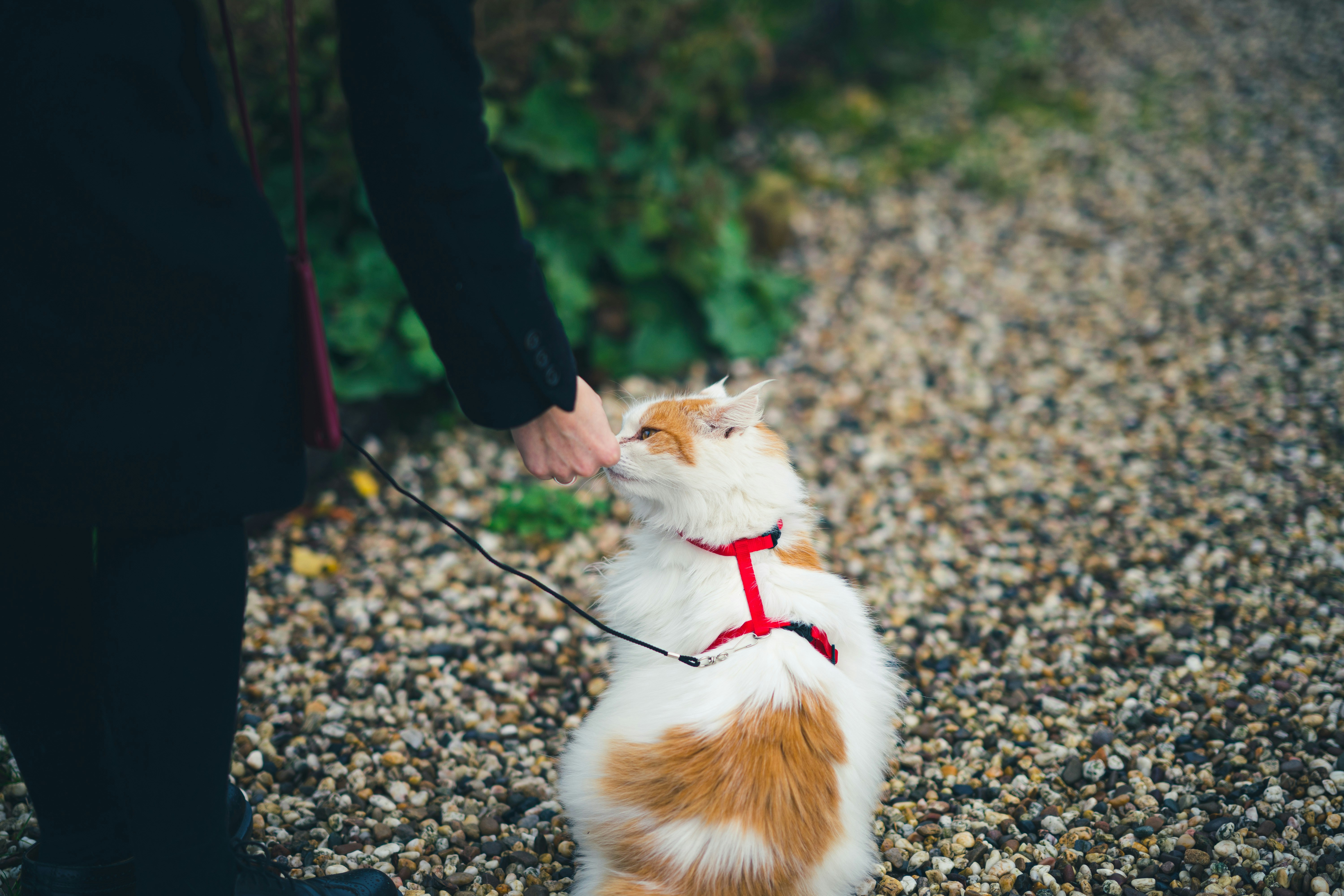
1. Understanding the Difference Between Harnesses, Collars, and Leashes
Before diving into specific types, it’s important to understand what each of these essential accessories does.
Pet Harness: A harness distributes pressure evenly across the pet’s body, reducing strain on the neck. It’s particularly beneficial for dogs that pull or for small pets with delicate throats.
Pet Collar: A collar encircles the neck and is suitable for pets who don’t pull excessively. It’s also ideal for carrying ID tags and contact information.
Pet Leash: The leash connects the harness or collar to the owner’s hand, offering control and safety during walks or training.
Each serves a distinct purpose, and choosing the right combination depends on your pet’s behavior, size, and activity level.
2. Pet Harnesses — Comfort, Control, and Safety
The pet harness has become increasingly popular among pet owners who prioritize safety and control. It’s particularly useful for dogs that tend to pull or for breeds prone to respiratory problems.
Types of Pet Harnesses
Step-in Harness:
Designed for convenience, this harness allows your pet to step into it and buckle up easily. It’s a great option for small dogs and cats.
No-Pull Harness:
Equipped with a front clip, this type discourages pulling by redirecting your dog’s motion. It’s perfect for leash training and large, strong dogs.
Vest Harness:
A soft, padded harness that offers both comfort and style. Often made of breathable mesh, it’s gentle on small pets and suitable for everyday use.
Reflective Harness:
Ideal for evening or early morning walks, these harnesses include reflective strips to enhance visibility and safety.
Adjustable Harness:
Features multiple buckles and straps, allowing you to customize the fit for growing pets or those with unique body shapes.
Advantages of a Pet Harness
Reduces strain on the neck and throat.
Offers better control during walks.
Prevents injuries in small dogs or brachycephalic breeds.
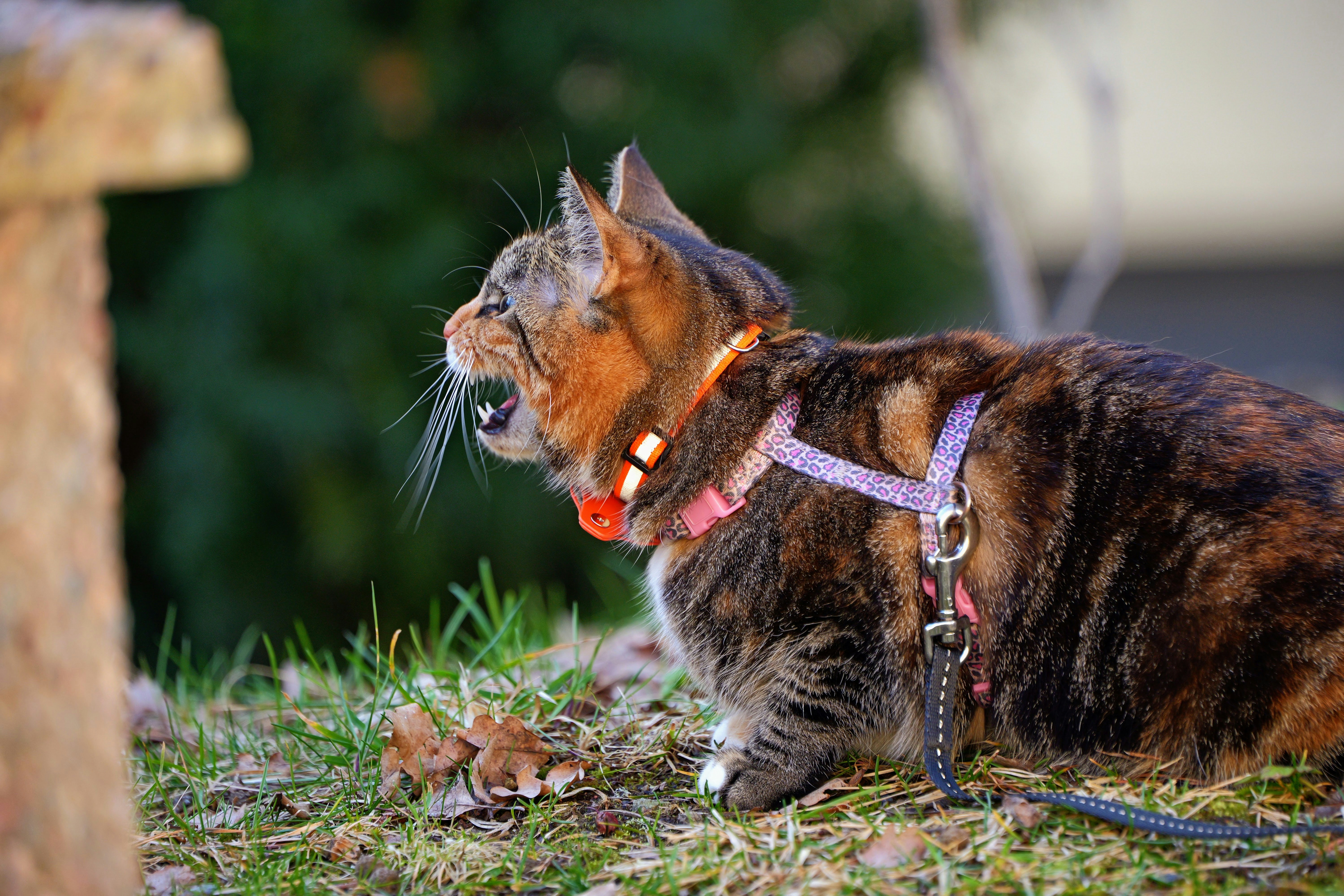
Safer for cats during outdoor adventures.
Available in various designs — from no-pull dog harnesses to padded cat harnesses.
Potential Drawbacks
Takes slightly longer to put on.
May cause rubbing or discomfort if not fitted properly.
Some pets take time to get used to it.
A well-fitted pet harness should be snug but not tight — you should be able to fit two fingers between the harness and your pet’s body.
3. Pet Collars — Classic and Functional
The pet collar remains one of the most essential accessories for dogs and cats. Even if your pet wears a harness during walks, a collar is still valuable for identification and style.
Common Types of Pet Collars
Flat Collar:
The most common type — simple, adjustable, and ideal for daily use. Made from materials like nylon, polyester, or leather.
Martingale Collar:
Designed for dogs with narrow heads (like Greyhounds), it tightens slightly when pulled but prevents choking.
Breakaway Collar:
Essential for cats, this collar automatically releases if it gets caught, preventing injury.
Leather Collar:
A durable and elegant choice that becomes more comfortable over time. Leather dog collars are long-lasting and stylish.
Reflective or LED Collar:
Great for night walks, these collars improve visibility and safety.
Benefits of Pet Collars
Convenient for ID tags and microchip information.
Easy to put on and remove.
Lightweight and comfortable for daily wear.
Wide variety of designs, from adjustable nylon collars to personalized leather collars.
Drawbacks
Not suitable for dogs that pull excessively — can strain the neck.
Cats and small pets may slip out if it’s too loose.
Requires correct sizing to prevent discomfort.
Even if your dog wears a harness during walks, a pet collar is an essential everyday accessory that ensures your pet’s identification and safety.
4. Pet Leashes — Control and Connection
A pet leash is more than just a tool — it’s your lifeline to your pet during outdoor adventures. From daily walks to training sessions, the right leash provides control, security, and freedom of movement.
Types of Pet Leashes
Standard Leash:
The most common option, typically 4–6 feet long, made of nylon or leather. Great for everyday use.
Retractable Leash:
Allows pets to explore freely while giving owners the ability to reel them in when needed. Ideal for open, safe spaces.
Training Leash (Long Line):
Longer and ideal for recall or obedience training. Provides freedom while maintaining control.
Hands-Free Leash:
Designed for joggers or active owners, this leash attaches around the waist for convenience.
Chain Leash:
Durable and chew-resistant, perfect for strong dogs that might bite through fabric leashes.
Dual or Split Leash:
Allows walking two dogs simultaneously with one handle.
Advantages
Provides safety and control during walks.
Essential for leash training and socialization.
Available in multiple lengths and materials for different needs.
Can complement any pet harness or collar setup.
Disadvantages
Retractable leashes can cause tangles or injuries if misused.
Short leashes may limit movement.
Material quality varies widely — always choose strong, reliable construction.
The best pet leash balances freedom and control. For everyday walks, a 6-foot nylon leash or leather leash is ideal, while a retractable leash suits pets who enjoy exploration.
5. Choosing the Right Material
The durability, comfort, and performance of your pet harness, collar, or leash largely depend on the material.
Common Materials
Nylon: Lightweight, durable, and affordable. Available in many colors and patterns.
Leather: Stylish, long-lasting, and comfortable but requires maintenance.
Mesh: Soft and breathable, ideal for small pets or warm climates.
Rope: Strong and flexible, great for large dogs and outdoor use.
Reflective Materials: Add safety for nighttime walks.
Each material has its strengths. For example, leather collars are elegant and durable, while nylon harnesses are ideal for active pets who love outdoor play.
6. Safety and Comfort Considerations
No matter how stylish or functional your pet’s gear is, safety should always come first.
Proper Fit: A loose harness or collar can lead to escapes, while a tight one can cause discomfort or injury.
Check for Irritation: Look for chafing or hair loss around the neck or chest.
Regular Inspection: Replace worn or frayed leashes and collars.
Reflective Gear: Essential for visibility during nighttime walks.
Secure Fasteners: Make sure clips and buckles are sturdy and easy to operate.
A well-fitted pet harness should not slide or twist when your pet moves, and a leash should feel comfortable in your hand without slipping.
7. Harness or Collar: Which Is Better?
This is one of the most common questions pet owners ask. The answer depends on your pet’s behavior, size, and activity level.
Use a harness if your pet tends to pull, has breathing issues, or needs better control.
Use a collar for calm pets, ID purposes, or short indoor walks.
Many owners use both — a collar for identification and a harness for walks.
For cats, harnesses are almost always the safer choice. A cat harness and leash set allows them to explore safely without the risk of slipping out or choking.
8. Specialized Pet Harnesses and Leashes
The modern pet accessory market offers innovative options tailored for specific needs:
No-pull dog harnesses: Help train dogs not to tug on the leash.
Tactical or adventure harnesses: Designed for hiking, featuring sturdy handles and storage pouches.
Reflective harness and leash sets: Ideal for nighttime use.
Adjustable cat harnesses: Comfortable for indoor cats venturing outdoors.
Bungee leashes: Absorb shock to prevent jerking during sudden pulls.
These innovations provide both function and comfort, catering to the lifestyle of active pets and their owners.
9. Training Tips for Leash Walking
If your pet is new to harnesses or leashes, patience and consistency are key.
Introduce gradually: Let your pet sniff and wear the harness indoors first.
Use positive reinforcement: Reward calm behavior during walks.
Keep sessions short at first: Slowly increase duration as your pet adjusts.
Avoid pulling or dragging: Gently guide your pet instead.
Stay consistent: Regular walks build familiarity and confidence.
With practice, leash training becomes an enjoyable routine for both pet and owner.
10. Final Thoughts
The right pet harness, pet collar, and pet leash are not just accessories — they’re essential tools for your pet’s safety, comfort, and freedom. Whether you’re walking your dog through the city, training a new puppy, or taking your cat on an outdoor adventure, investing in quality gear ensures every outing is enjoyable and secure.
From no-pull harnesses to reflective leashes and leather collars, today’s pet products combine innovation, style, and practicality. Choosing the best option comes down to understanding your pet’s unique needs and ensuring a proper fit.
A good walk strengthens your bond with your pet — and with the right equipment, every walk becomes a shared moment of trust, safety, and joy.
Address: 123djflakwneflksndfwefMobile phone: +86-123 3456 7890Telephone: 123 3456 7890Email: info@formaterra.comTailneed have over 10 years of experience in the production of pet food. Our long-standing experience and the unique production chain, covering every process, allows us offering only the premium quality products, specially balanced for your beloved four-legged pets.
Copyright © 2026 Tailneed Ltd. All Rights Reserved. POWERED BY WEIMOBTRADE


